
Fresh Fruits

Watermelon

Watermelon

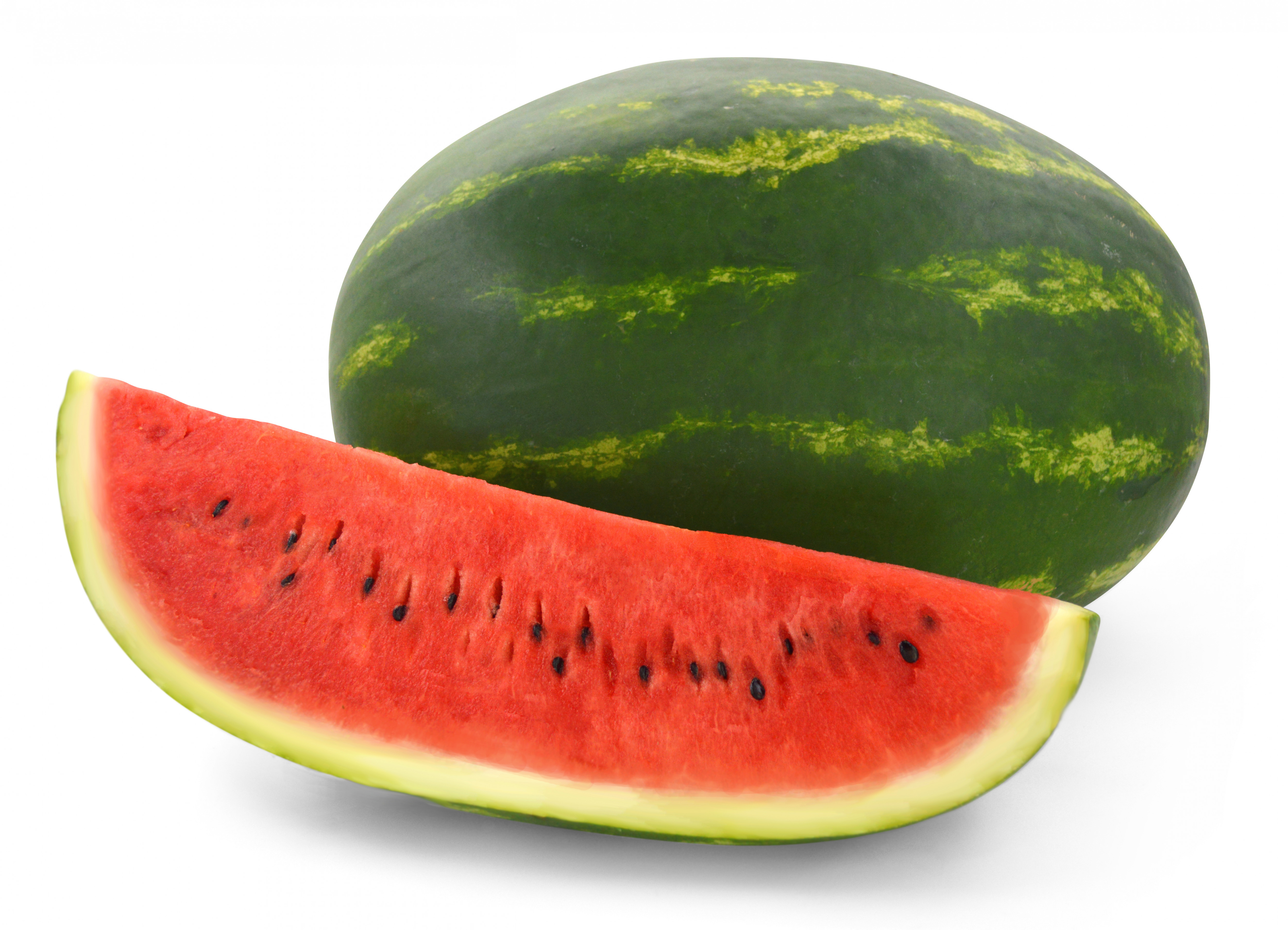
Watermelon (Citrullus lanatus) is a large, juicy tropical fruit belonging to the Cucurbitaceae family. It has a thick green rind, often striped or solid, with a sweet, refreshing red or pink flesh filled with black or sometimes white seeds. Seedless varieties are also common. Watermelon is composed of about 90–92% water, making it highly hydrating and low in calories. It is rich in natural sugars, electrolytes, antioxidants like lycopene, and vitamins A and C. Known for its crisp texture and thirst-quenching quality, watermelon is widely consumed fresh, juiced, or used in salads, desserts, and beverages, especially in summer.

Enquire Now
Product Name
Watermelon
Botanical Name
Citrullus lanatus
Family
Cucurbitaceae
Shape & Size
Round, oval, or oblong; weight ranges from 1 kg (mini) to 20+ kg (picnic types)
Skin Color
Green (solid or striped)
Flesh Color
Red, Pink, Yellow, or Orange
Seeds
Black, brown, white, or seedless (hybrid)
Taste
Sweet, juicy, refreshing
Water Content
90–92%
Grades
Extra Class / Class I / Class II (as per export quality standards)
Size Calibration
Small (1–3 kg), Medium (3–7 kg), Large (7–15 kg), Jumbo (15+ kg)
Maturity Index
Uniform rind color, hollow sound when tapped, firm flesh, sweetness 10–12° Brix
Storage Temperature
10–15°C (whole fruit), 0–5°C (cut fruit)
Shelf Life
2–3 weeks (whole fruit), 3–5 days (cut fruit, refrigerated)
Seeded Watermelon
Traditional type with black seeds, very sweet and juicy.
Seedless Watermelon
Hybrid variety without mature seeds; convenient for fresh eating.
Mini / Personal Watermelon
Small-sized, easy to carry, sweeter and crispier flesh.
Yellow & Orange Flesh Watermelon
Varieties with golden or orange flesh, sweeter and honey-like flavor.
Icebox Watermelon
Small (5–10 pounds), bred to fit in refrigerators; ideal for households.
Picnic Watermelon
Large-sized (15–45 pounds), perfect for family or group consumption.
Sugar Baby
Popular small round variety, dark green rind, very sweet red flesh.
Jubilee
Long, oblong-shaped, striped rind with firm, red flesh.
Crimson Sweet
Famous variety with light-green rind and deep red flesh.
Black Diamond
Large, thick-skinned watermelon with a very sweet interior.
Fresh Consumption
Eaten raw in slices or cubes as a refreshing snack.
Juices & Smoothies
Blended into fresh juice, shakes, or smoothies.
Fruit Salads & Desserts
Mixed with other fruits in salads, sorbets, or desserts.
Pickles & Rind Recipes
The rind is used in making pickles, curries, or candied treats.
Frozen Treats
Made into popsicles, ice creams, and granitas.
Cocktails & Beverages
Used in mocktails, cocktails, and flavored water.
Nutraceutical & Skincare
Lycopene-rich extracts used in cosmetics and wellness products.
Traditional Medicine
Used in natural remedies for hydration, cooling, and detoxification.
Animal Feed
Overripe or leftover watermelon rind and pulp are used as cattle feed.
Seeds Uses
Roasted watermelon seeds are eaten as a healthy snack or used in sweets.
1. Keeps the Body Hydrated
2. Rich in Antioxidants
3. Supports Heart Health
4. Boosts Immunity
5. Good for Skin & Hair
6. Aids Digestion
7. Weight-Friendly
8. Muscle Recovery
9. Supports Eye Health
10. Anti-Inflammatory Effects