

Fresh Fruits

Pomegranate

Pomegranate

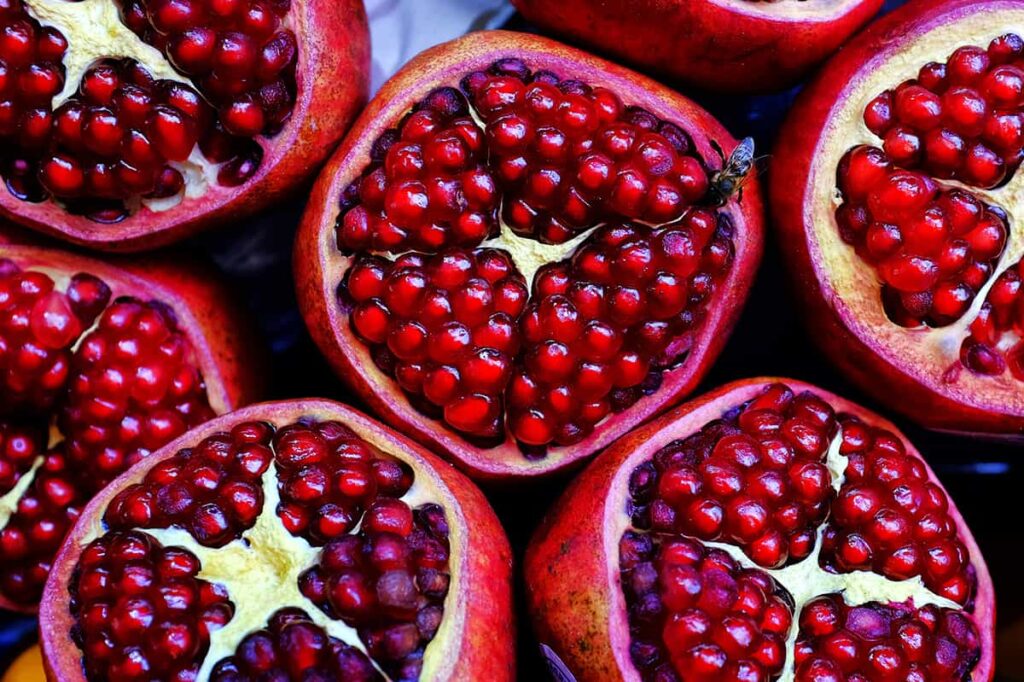
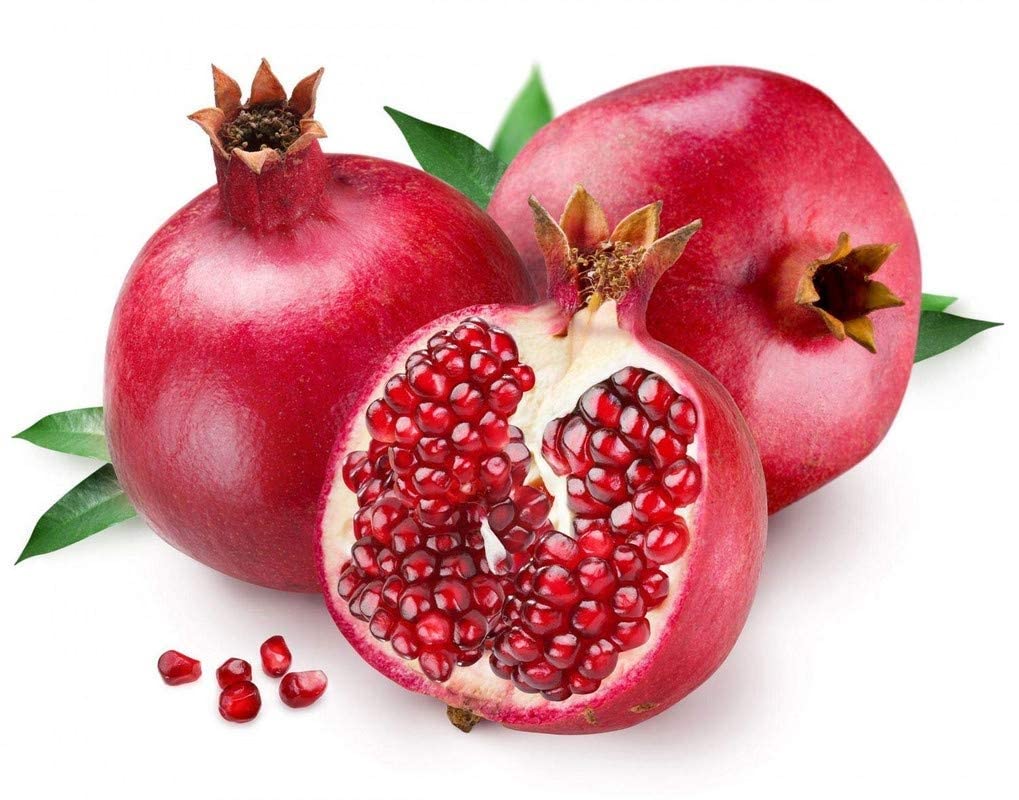
Pomegranate (Punica granatum) is a nutrient-rich fruit belonging to the Lythraceae family. It is round in shape, about the size of an apple, with a thick, leathery skin that ranges in color from deep red to pink or yellowish. Inside, it contains hundreds of edible seeds (called arils) surrounded by juicy, ruby-red pulp that is sweet-tart in flavor. Each aril encases a small crunchy seed. Pomegranates are known as a symbol of health and fertility, prized for their high antioxidant content, vitamins, and minerals. They are consumed fresh, juiced, or processed into syrups, jams, and extracts.

Enquire Now
Product Name
Pomegranate
Botanical Name
Punica granatum
Family
Lythraceae
Shape & Size
Round; 5–12 cm diameter
Skin Color
Crimson red, pinkish-red, or yellowish (depending on variety)
Flesh / Arils
Juicy, ruby-red to pink arils with sweet-tart flavor
Seeds
Soft or hard (variety dependent)
Taste
Sweet to slightly sour, refreshing
Grades
Extra Class / Class I / Class II (as per export standards)
Size Calibration
Small (150–200 g), Medium (200–300 g), Large (300–500 g), Extra Large (500 g+)
Juice Content
30–40% (variety dependent)
Storage Temperature
5–7°C with 90–95% relative humidity
Shelf Life
30–45 days in cold storage; 7–10 days at room temperature
Bhagwa
Famous Indian variety; large fruits, deep red color, high juice content, and soft seeds.
Ganesh
Widely grown in India; medium size, pinkish-red skin, sweet taste, soft seeds.
Arakta
Smaller fruits with dark red arils and rich flavor.
Kandhari
Large fruit, reddish skin, sour taste; popular in Afghanistan and India.
Mridula
Red skin and arils; preferred for its sweetness and attractive appearance.
Spanish Ruby
Bright red skin, juicy arils, very sweet flavor.
Wonderful
Most popular commercial variety in the USA; large fruit with sweet-tart taste.
Paper Shell
Thin skin variety, easier to peel, soft seeds, very juicy.
Bedana
Seedless or soft-seeded variety, very sweet and premium quality.
Gulnar / Desert Varieties
Grown in arid regions, smaller fruits, mainly used for medicinal and ornamental purposes.
Fresh Consumption
Eaten raw as fresh arils or sprinkled over dishes.
Juice & Beverages
Processed into fresh juice, smoothies, cocktails, and flavored drinks.
Culinary Uses
Used in salads, desserts, yogurt toppings, and baking.
Condiments & Syrups
Made into grenadine syrup, sauces, and chutneys.
Traditional Medicine
Used in Ayurveda, Unani, and folk medicine for digestion, heart health, and immunity.
Skincare & Cosmetics
Extracts used in creams, oils, and anti-aging products.
Nutraceuticals
Capsules and extracts for antioxidant and heart health support.
Cultural & Religious Uses
Symbol of fertility, prosperity, and health in various traditions.
Animal Feed (Byproducts)
Peel and pulp residues used in livestock feed.
Industrial Uses
Pomegranate rind used for natural dye and tanning leather.
1. Rich in Antioxidants
2. Boosts Heart Health
3. Supports Immunity
4. Anti-Inflammatory Properties
5. Improves Digestion
6. Cancer-Fighting Potential
7. Supports Skin Health
8. Boosts Memory & Brain Function
9. Aids in Weight Management
10. Supports Joint Health