Pigeon Gram
Pigeon Gram, scientifically known as Cajanus cajan, is a widely grown legume crop valued for its high nutritional content and versatility in cooking. Commonly known as Pigeon Pea or Toor Dal, it is a staple food in many parts of Asia, Africa, and Latin America.
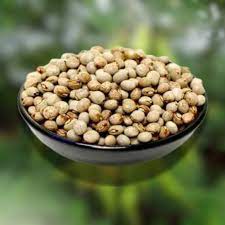
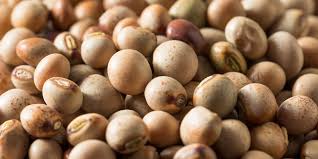
The grains are small, round, and beige-yellow in color with a nutty flavor. They are rich in protein, dietary fiber, vitamins, and minerals, making them an important part of vegetarian diets. Pigeon pea is highly valued not only for its role in human nutrition but also for its contribution to sustainable agriculture, as it enriches soil fertility through nitrogen fixation.
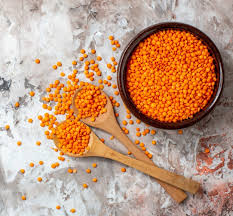
In culinary use, pigeon gram is consumed in various forms such as whole, split, dehusked (toor dal), or ground into flour. It is widely used in soups, stews, curries, sambars, and traditional snacks.
Beyond food, pigeon gram residues serve as valuable livestock feed, and the crop itself is drought-resistant, making it essential for food security in arid regions.
Enquire Now