


Fresh Fruits

Lemon

Lemon

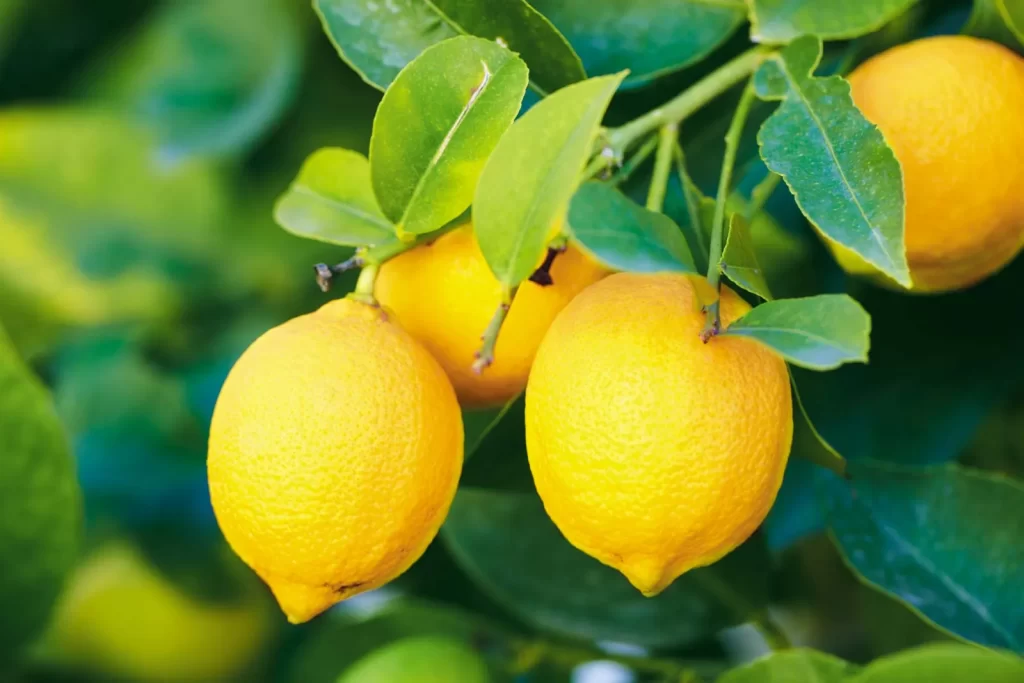
Lemon (Citrus limon) is a small, oval-shaped citrus fruit belonging to the Rutaceae family. It has a bright yellow, smooth to slightly textured peel, with an intensely aromatic oil-rich zest. The flesh is pale yellow, juicy, and divided into segments, with a distinctly sour taste due to high citric acid content. Lemons may contain a few seeds or be seedless depending on the variety. They are widely valued for their tangy flavor, refreshing aroma, and rich vitamin C content. Lemons are used globally in culinary preparations, beverages, preservation, cleaning, cosmetics, and traditional medicine.

Enquire Now
Product Name
Lemon
Botanical Name
Citrus limon
Family
Rutaceae
Shape & Size
Oval to round; 5–8 cm length
Skin Color
Bright yellow (sometimes greenish when immature)
Flesh
Juicy, segmented, pale yellow, acidic
Seeds
Few or absent (depending on variety)
Taste
Strongly sour, tangy, refreshing aroma
Grades
Extra Class / Class I / Class II (as per export standards)
Size Calibration
Small (40–60 g), Medium (60–90 g), Large (90–120 g+)
Juice Content
25–45% (variety & maturity dependent)
Acidity
4.5–7% citric acid
Storage Temperature
8–10°C with 85–90% relative humidity
Shelf Life
3–6 weeks in cold storage; 7–10 days at room temperature

Eureka Lemon
Common in many countries, bright yellow, juicy, slightly acidic, few seeds.
Lisbon Lemon
Similar to Eureka, very acidic, smooth skin, mainly seedless.
Meyer Lemon
Hybrid between lemon and mandarin orange; sweeter, less acidic, thin skin.
Ponderosa Lemon
Large, thick-skinned, very juicy but quite sour.
Bush Lemon (Rough Lemon)
Grown in tropical regions, rough skin, used as rootstock and for juice.
Villafranca Lemon
Italian variety, medium-sized, acidic, widely used in processing.
Bonnie Brae Lemon
Smooth, thin-skinned, almost seedless, mild acidity.
Seedless Lemon
Hybrid varieties developed for fresh market and processing convenience.
Culinary Uses
Fresh juice for flavoring food, beverages, and dressings. Zest used in baking, confectionery, and sauces.
Preserved lemons in pickles and marinades.
Beverages
Lemonade, flavored water, cocktails, mocktails, and teas.
Used in energy drinks and carbonated beverages.
Preservation & Processing
Citric acid and juice used as natural preservatives.
Lemon peel oil used in flavoring and aromatics.
Health & Medicine
Traditional remedies for sore throat, colds, digestion, and detox.
Vitamin C supplements and herbal formulations.
Cosmetics & Skincare
Lemon oil and extracts in soaps, creams, shampoos, and perfumes.
Natural skin-brightening and cleansing agents.
Cleaning & Household
Natural cleaner and deodorizer.
Used to remove stains, polish metals, and disinfect surfaces.
Industrial Uses
Citric acid production, pharmaceuticals, essential oils.
Used in beverages, candies, and processed foods.
1. Boosts Immunity
2. Aids Digestion
3. Promotes Hydration
4. Supports Heart Health
5. Helps in Weight Management
6. Detoxifies the Body
7. Improves Skin Health
8. Prevents Kidney Stones
9. Anti-Inflammatory & Antimicrobial
10. Supports Iron Absorption