
Grains/Pulses

Dry Peas

Dry Peas

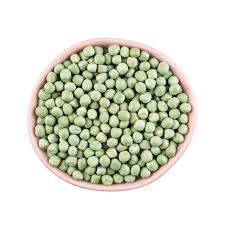
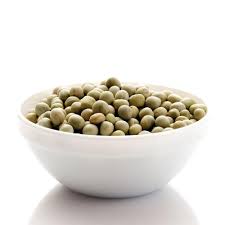
Dry Peas (Pisum sativum), also known as dried field peas, are mature peas that have been naturally dried after harvesting. Unlike fresh green peas, dry peas are starchy, dense, and available in two main varieties – whole dry peas (green or yellow) and split peas.

They are widely valued for their long shelf life, high protein content, and versatility in cooking. Dry peas are rich in plant-based protein, fiber, iron, and essential vitamins, making them an excellent staple in vegetarian and vegan diets.

Culinary uses of dry peas include soups, curries, stews, purees, flour (pea flour), and snacks. They are also used in food processing industries and as a sustainable crop due to their ability to enrich soil fertility through nitrogen fixation.

Enquire Now
Product Name
Dry Peas (Whole / Split)
Botanical Name
Pisum sativum
Type / Form
Whole Green, Whole Yellow, Split Green, Split Yellow, Flour
Color
Green or Yellow
Moisture
Max 12–14%
Protein
20–25%
Dietary Fiber
10–12%
Fat Content
1–2%
Carbohydrates
55–60%
Shelf Life
12 Months (if stored in cool, dry place)
Packaging
1 kg, 5 kg, 25 kg, 50 kg PP / Jute Bags
Usage
Soups, curries, flour, snacks, sprouts, feed
Origin
India, Canada, Russia, Europe, Africa
Whole Green Dry Peas
Soups, curries, purees, traditional dishes
Whole Yellow Dry Peas
Stews, soups, flour milling
Split Green Peas
Thick soups, dals, casseroles
Split Yellow Peas
Soups, stews, Indian dals, processed foods
Roasted Dry Peas
Snacks, namkeen, trail mixes
Pea Flour (Milled)
Gluten-free baking, flatbreads, snacks
Sprouted Dry Peas
Salads, health drinks, sprouts mixes
Animal Feed / By-products
Animal feed
1. Rich in Plant Protein
2. High in Fiber
3. Supports Heart Health
4. Diabetes-Friendly
5. Boosts Immunity
6. Weight Management
7. Boosts Immunity
8. Bone Strength
10. Sustainable Nutrition