



Fresh Fruits

Cherry

Cherry

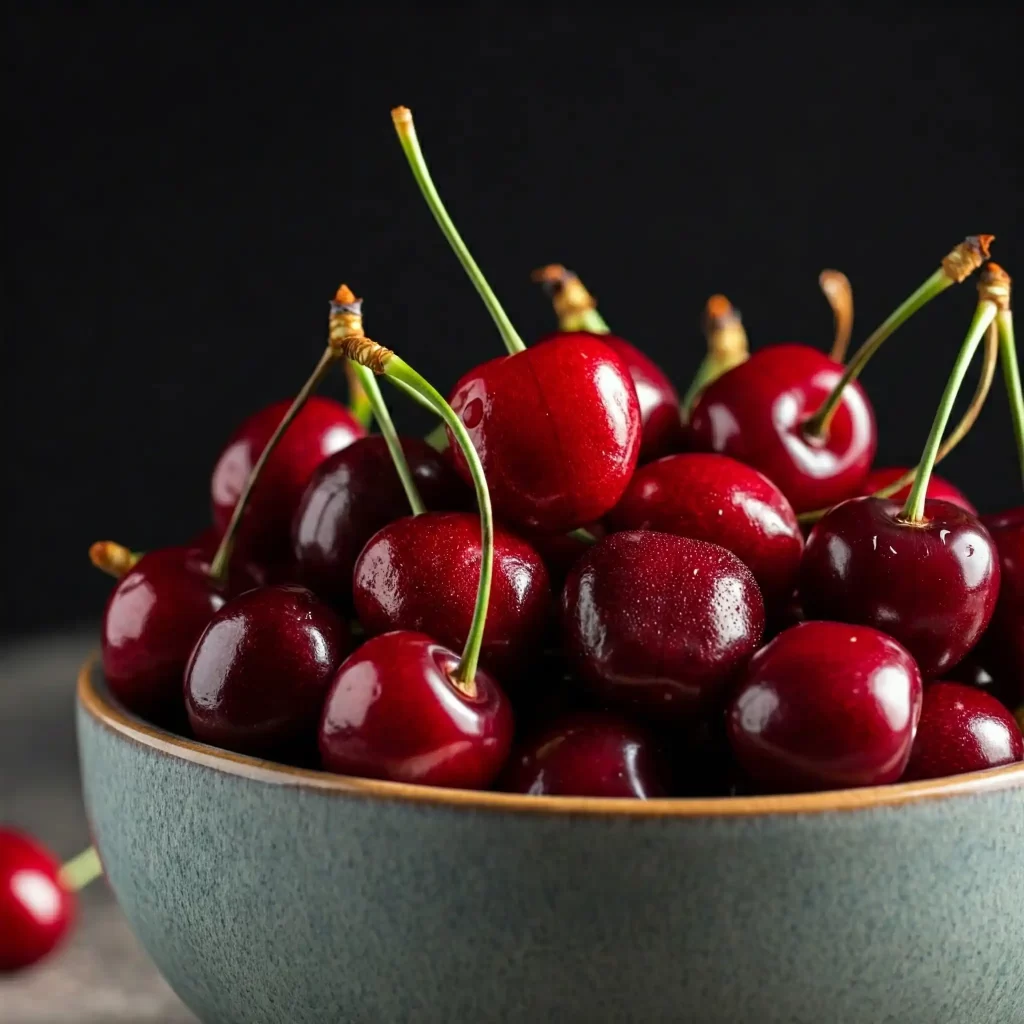
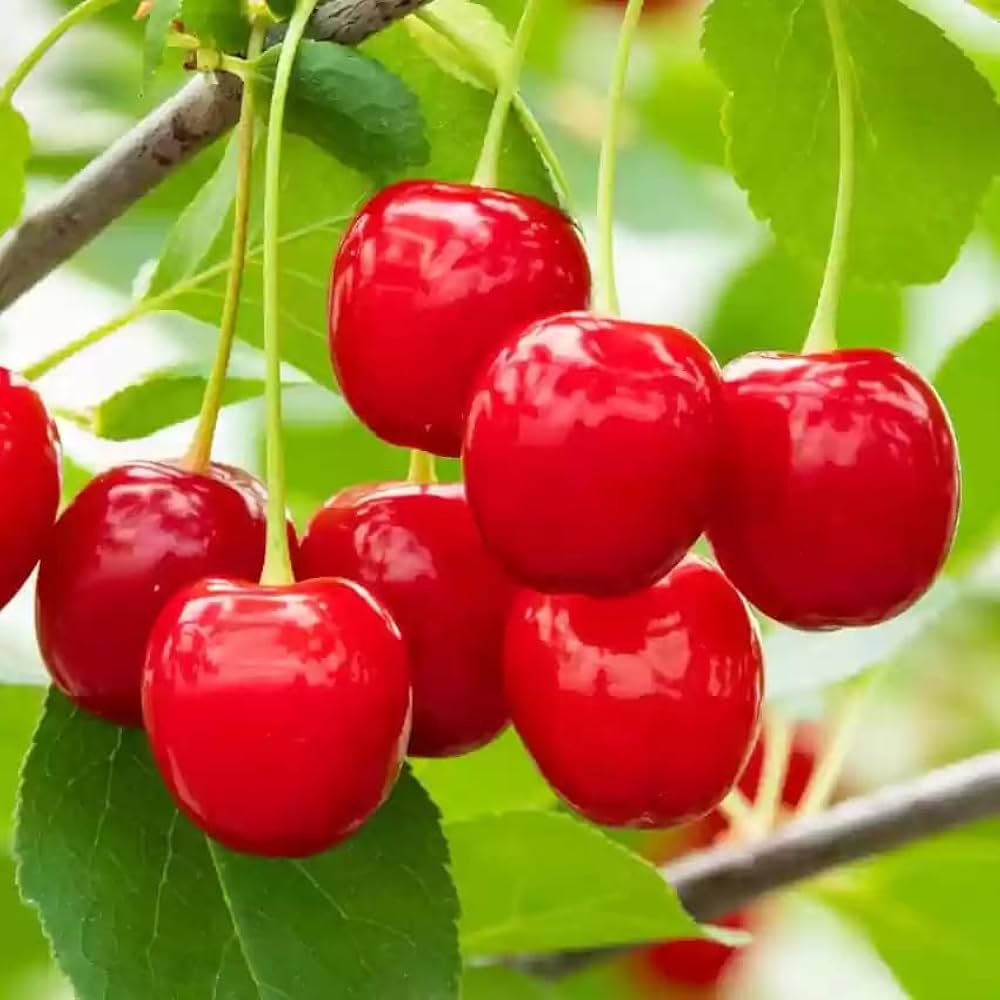
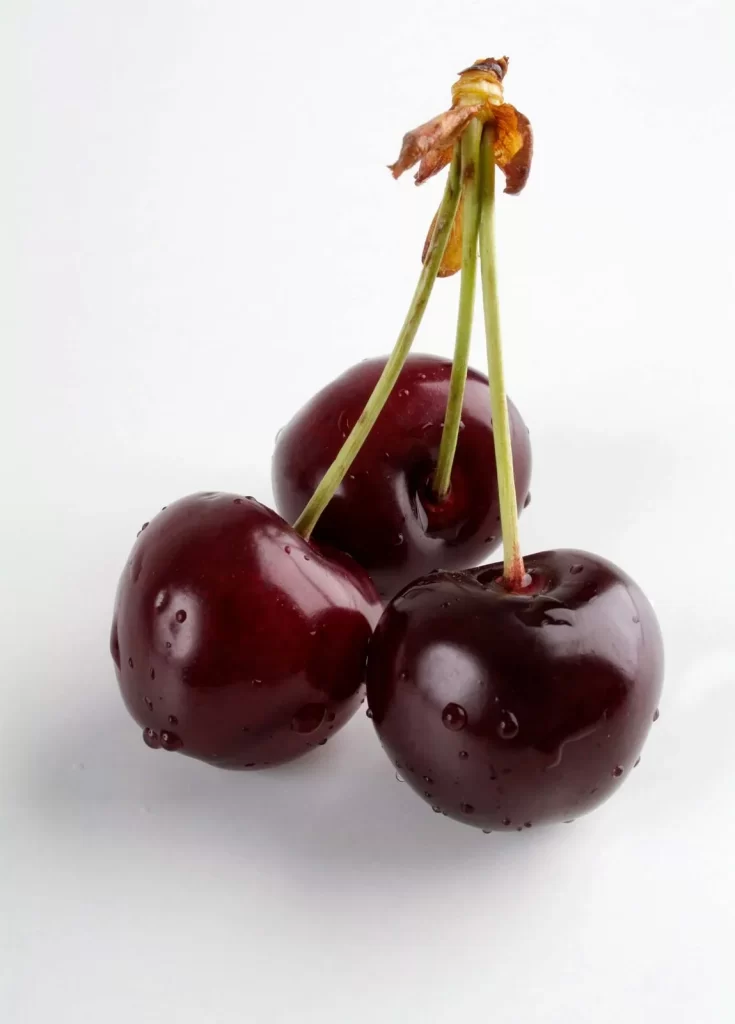
Cherries are small, round, fleshy stone fruits belonging to the Prunus genus of the Rosaceae family. They are typically bright red to deep burgundy, though some varieties are yellow or blackish-red. The fruit has smooth, glossy skin with juicy flesh and contains a single hard pit (seed) inside.

Cherries are classified mainly into two groups: sweet cherries (Prunus avium), which are eaten fresh, and sour/tart cherries (Prunus cerasus), used primarily in cooking, baking, and processing. They are highly prized for their vibrant flavor — ranging from sweet and mild to tangy and tart — and are popular worldwide both fresh and processed.

Rich in antioxidants, vitamins, and minerals, cherries are not only delicious but also offer significant health benefits. They are widely consumed fresh, dried, juiced, canned, or incorporated into jams, desserts, and beverages.

Enquire Now
Product Name
Cherry
Botanical Name
Prunus avium (Sweet Cherry), Prunus cerasus (Sour Cherry)
Family
Rosaceae
Shape & Size
Small, round, 1–2 cm diameter
Skin Color
Bright red, dark red, purple, yellow (varies by variety)
Flesh
Juicy, sweet or tart, varies by type
Seed
Single hard pit (stone fruit)
Taste
Sweet (Bing, Rainier, Lambert) or Sour (Montmorency, Morello)
Grades
Extra Class / Class I / Class II (as per export quality standards)
Size Calibration
Small (18–22 mm), Medium (22–26 mm), Large (26–30 mm+ depending on variety)
Storage Temperature
0–2°C with 90–95% relative humidity
Shelf Life
1–2 weeks in cold storage; 3–5 days at room temperature

Sweet Cherries (Prunus avium)
Larger, firm, and sweet in taste.
Eaten fresh, used in desserts, juices, and jams.
Sour/Tart Cherries (Prunus cerasus)
Smaller, softer, and tangy flavor.
Primarily used in baking, preserves, syrups, and juices.
Duke Cherries
Natural hybrids of sweet and sour cherries.
Balance of sweetness and tartness; used fresh or for cooking.
Black Cherries (Prunus serotina)
Dark, small, slightly bitter-sweet.
Used in liqueurs, syrups, and flavoring.
Wild/Local Varieties
Found in different regions, often smaller with strong flavors.
Used for traditional dishes, wines, and medicinal purposes.
Fresh Consumption
Popular summer fruit eaten raw.
Baking & Desserts
Used in pies, cakes, tarts, muffins, and pastries.
Juices & Beverages
Processed into juices, smoothies, syrups, wines, and liqueurs.
Jams & Preserves
Made into jams, marmalades, and chutneys.
Dried Cherries
Used as snacks, in cereals, trail mixes, and baked goods.
Frozen Cherries
Stored for year-round use in desserts and beverages.
Culinary Uses
Added to sauces, salads, and savory dishes.
Nutraceuticals
Extracts and powders used in supplements for antioxidants and melatonin.
Cosmetic Industry
Cherry seed oil used in skincare for its antioxidant properties.
Medicinal Uses
Traditionally used for relieving gout, inflammation, and improving sleep.
1. Rich in Antioxidants
2. Anti-Inflammatory Properties
3. Supports Heart Health
4. Improves Sleep Quality
5. Boosts Exercise Recovery
6. Aids in Weight Management
7. Supports Brain Health
8. May Help Prevent Gout
9. Good for Skin
10. Strengthens Immunity