
Grains/Pulses

Black Eyed Beans

Black Eyed Beans

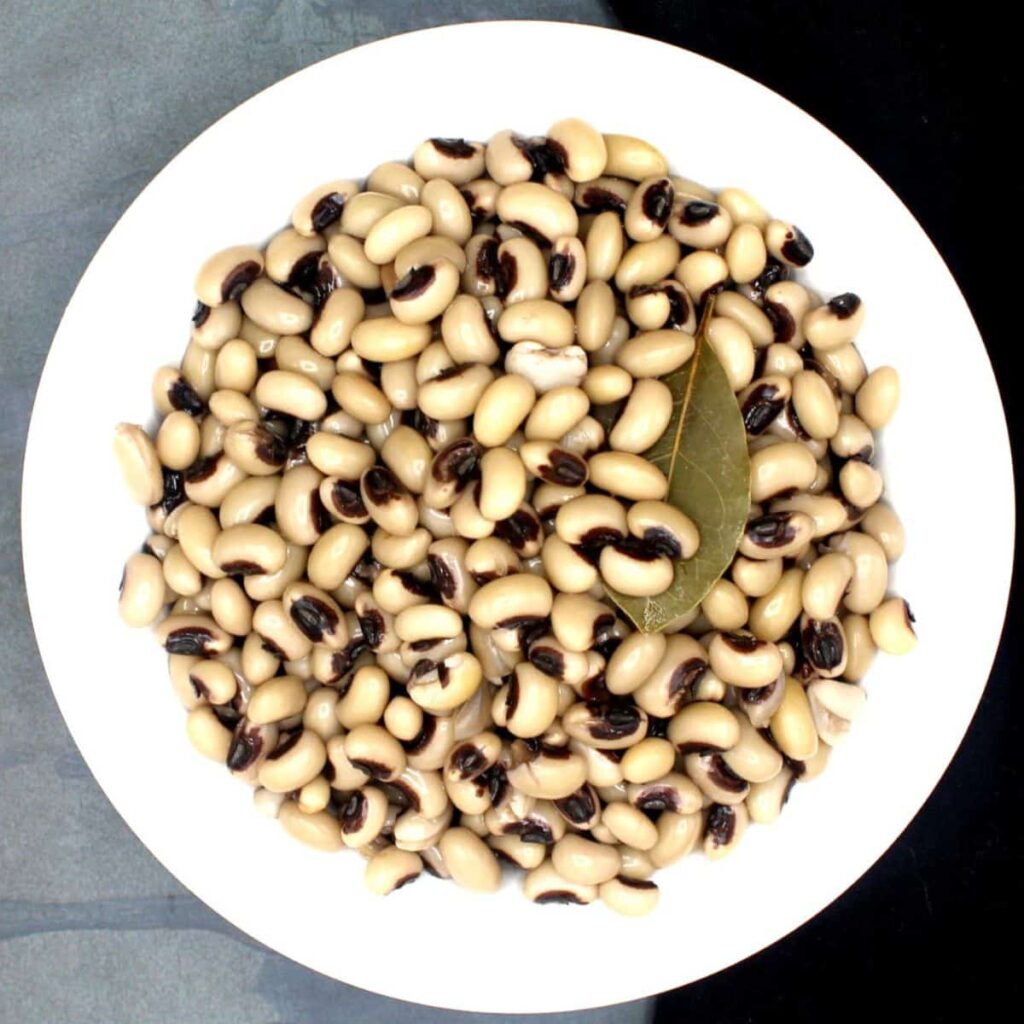
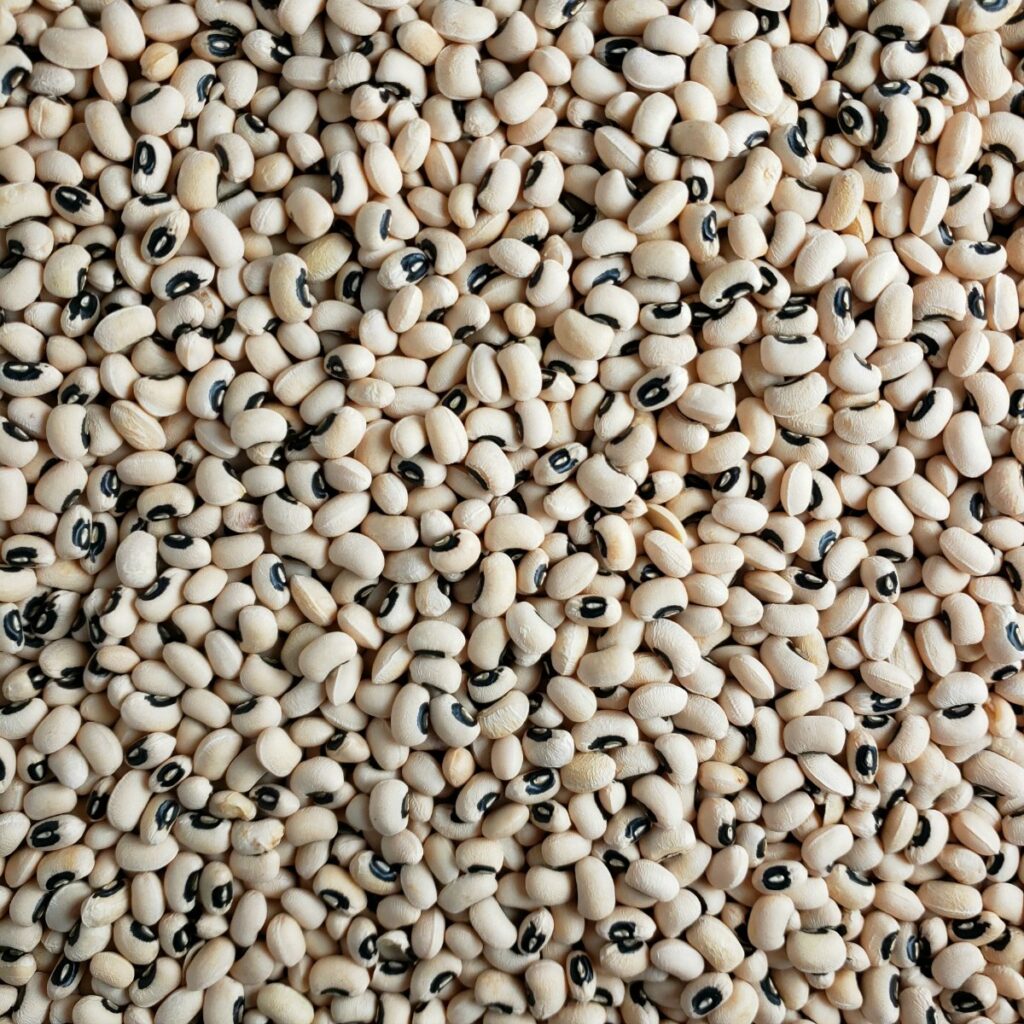
Black Eyed Beans (Vigna unguiculata), also known as Cowpeas or Lobia, are small, creamy-white beans with a distinctive black spot on their surface that resembles an eye. They are one of the oldest cultivated legumes and are widely consumed across Africa, Asia, the Middle East, and the Americas.

Known for their mild earthy flavor and soft texture when cooked, Black Eyed Beans are highly nutritious, being rich in plant protein, dietary fiber, iron, folate, and essential minerals.

They are used in a variety of traditional and modern cuisines, including curries, soups, stews, salads, fritters, and rice dishes. In addition to culinary value, Black Eyed Beans play a vital role in sustainable agriculture by improving soil fertility through nitrogen fixation.

Enquire Now
Product Name
Black Eyed Beans / Cowpeas / Lobia
Botanical Name
Vigna unguiculata
Type / Form
Whole, Split, Roasted, Sprouted, Flour
Color
Creamy White with Black Spot (“Eye”)
Moisture
Max 12–14%
Protein
20–24%
Dietary Fiber
10–12%
Fat Content
1–2%
Carbohydrates
55–60%
Shelf Life
12 Months (if stored in cool, dry place)
Packaging
1 kg, 5 kg, 25 kg, 50 kg PP / Jute Bags
Usage
Curries, soups, rice dishes, flour, snacks, feed
Origin
India, Africa, Asia, Americas
Whole Black Eyed Beans
Curries, soups, stews, rice dishes
Split Black Eyed Beans
Dals, thick gravies, stews
Roasted Black Eyed Beans
Snacks, namkeen, flour mixes
Sprouted Black Eyed Beans
Salads, health foods, raw diets
Black Eyed Bean Flour
Flatbreads, gluten-free baking, fritters
Canned / Processed
Instant soups, curries, packaged meals
By-products (Feed)
Livestock and poultry feed
1. Rich in Protein
2. High in Fiber
3. Diabetes-Friendly
4. Heart Health
5. Weight Management
6. Prevents Anemia
7. Bone & Joint Strength
8. Energy Provider
9. Boosts Immunity