


Fresh Fruits

Banana

Banana

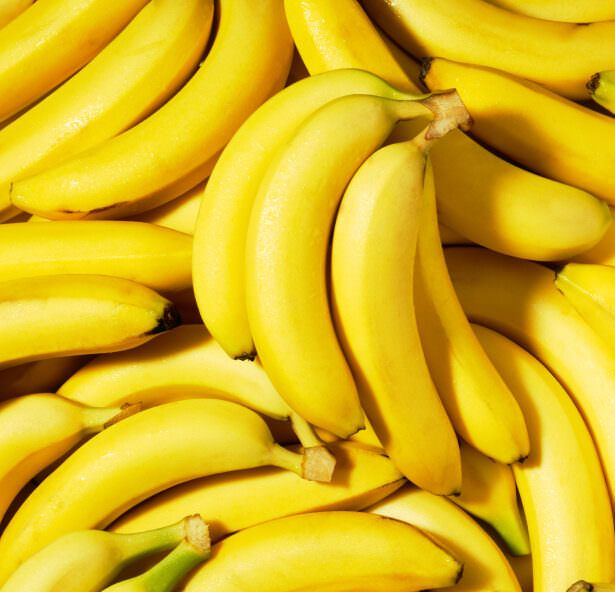
Banana is one of the most widely consumed tropical fruits in the world, belonging to the Musaceae family. It has a distinctive elongated, curved shape with a smooth, yellow peel when ripe and green when unripe. The flesh is soft, creamy, and naturally sweet, making it a popular fruit across all age groups. Bananas are rich in carbohydrates, dietary fiber, potassium, vitamin B6, and vitamin C, providing quick energy and numerous health benefits. They are eaten fresh or used in a variety of culinary, beverage, and industrial applications.

Enquire Now
Product Name
Fresh Banana
Botanical Name
Musa paradisiaca / Musa acuminata
Family
Musaceae
Shape & Size
Elongated, curved; length 10–25 cm (variety dependent)
Skin Color
Green (unripe), Yellow (ripe), Red (red banana variety)
Flesh
Soft, creamy, off-white to yellowish
Taste
Sweet (ripe) or starchy (plantain/unripe)
Seeds
Tiny black specks (edible, underdeveloped)
Grades
Extra Class / Class I / Class II (as per international trade standards)
Size Calibration
Small (100–120 g), Medium (120–150 g), Large (150–200 g+)
Maturity Index
Firm texture, uniform peel color, free from defects
Storage Temperature
13–16°C (to prevent chilling injury)
Shelf Life
7–14 days at room temperature; longer under controlled storage
Cavendish
The most common variety worldwide, sweet, eaten fresh.
Robusta
Large, firm, and sweet; popular in India.
Red Banana
Reddish-purple skin, sweet flavor with raspberry-like notes.
Nendran (Plantain type)
Firm texture, used for chips, frying, and cooking.
Pisang Raja
Popular in Southeast Asia, rich flavor, used in desserts.
Burro Banana
Short, chunky shape with lemon-like tang.
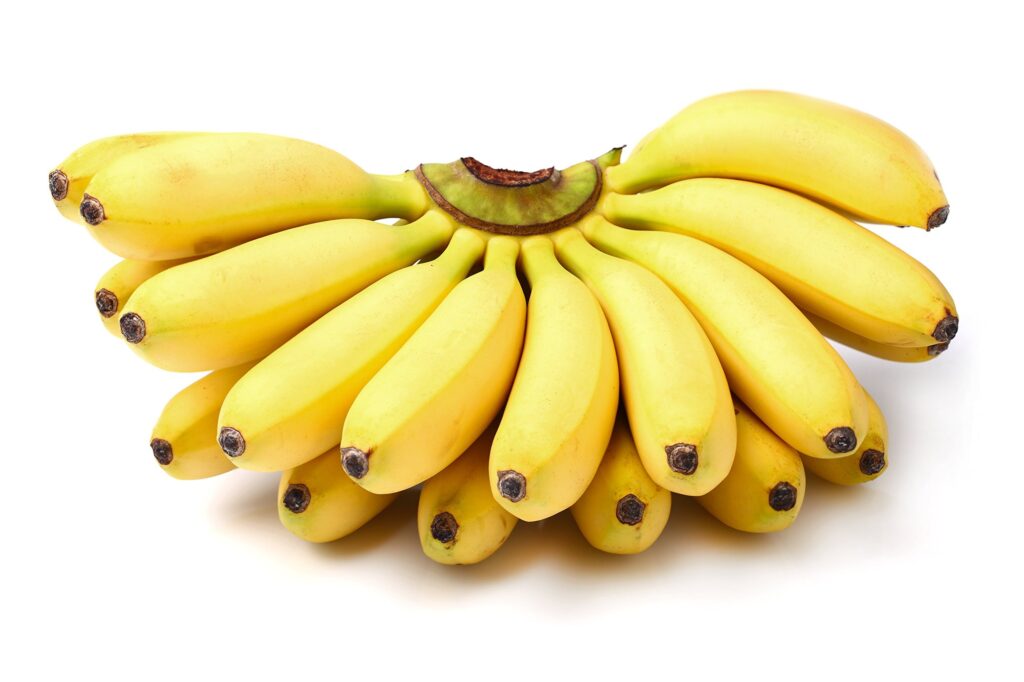
Baby Banana (Pisang Mas / Lady Finger)
Small, very sweet, eaten fresh.
Plantain
Larger, starchy banana, usually cooked or fried, not eaten raw.
Manzano Banana (Apple Banana)
Sweet with a hint of apple flavor.
Poovan
Aromatic Indian variety, often used in traditional dishes.
Fresh Consumption
Eaten raw as a healthy snack.
Cooking & Baking
Used in cakes, muffins, pancakes, and banana bread.
Snacks
Fried or dried into banana chips.
Beverages
Blended in smoothies, milkshakes, or juices.
Traditional Dishes
Plantains and Nendran varieties used in curries, fries, and steamed dishes.
Desserts
Added to ice creams, puddings, custards, and fruit salads.
Baby Food
Easily digestible, mashed bananas are ideal for infants.
Industrial Use
Processed into banana powder, puree, and flakes for packaged foods.
Banana Leaves
Used as eco-friendly plates and wrappers in traditional cooking.
Animal Feed
Banana stems, leaves, and unripe fruits are used as feed for cattle and poultry.
1. Rich in Nutrients
2. Supports Heart Health
3. Aids Digestion
4. Improves Mood & Reduces Stress
5. Good for Muscle Function
6. Boosts Immunity
7. Supports Weight Management
8. Promotes Kidney Health
9. Helps in Anemia
10. Skin & Hair Benefits