


Fresh Fruits

Gooseberry

Gooseberry

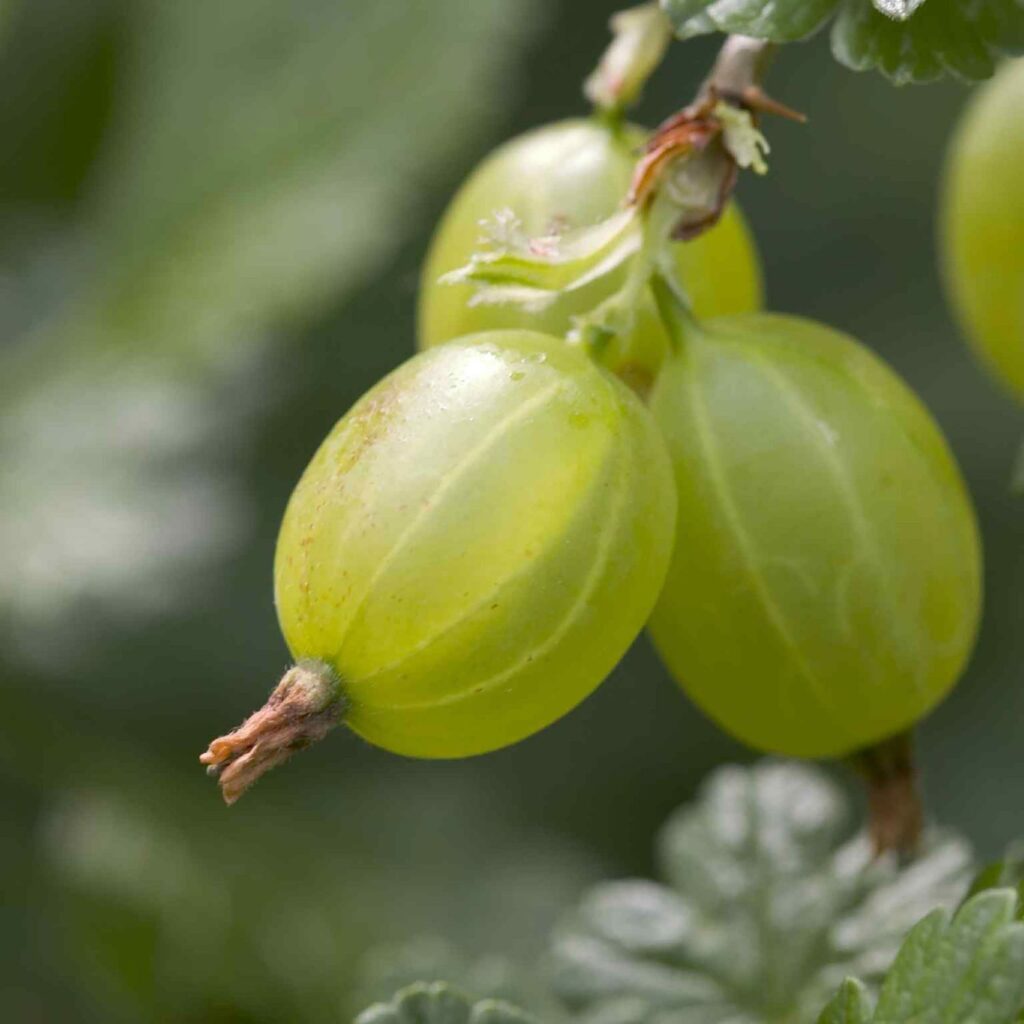
Gooseberry (Ribes uva-crispa / Ribes grossularia) is a small, round, and juicy fruit that belongs to the Grossulariaceae family. The berries are typically green but can also be yellow, red, purple, or almost black when ripe, depending on the variety. They have a translucent skin, often with faint veins, and a tart-to-sweet flavor.

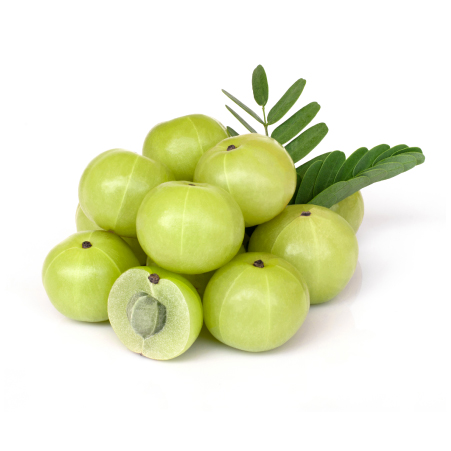
Gooseberries are grown in temperate regions worldwide, especially in Europe and Asia. In India, the Indian gooseberry (Phyllanthus emblica), also known as Amla, is widely cultivated and valued for its high vitamin C content and medicinal properties.

Gooseberries can be eaten fresh, but due to their tangy taste, they are often used in jams, jellies, chutneys, sauces, desserts, juices, and wines. They are also considered a superfood, rich in antioxidants, vitamins, and dietary fiber, supporting overall health and wellness.

Enquire Now
Product Name
Gooseberry (includes Indian Gooseberry – Amla)
Botanical Name
Ribes uva-crispa (European Gooseberry), Phyllanthus emblica (Indian Gooseberry)
Family
Grossulariaceae (European) / Phyllanthaceae (Indian)
Fruit Type
Small, round berry
Size
1–3 cm diameter (European) / 2–4 cm diameter (Indian)
Color Varietie
Green, yellow, red, purple, golden (depending on type)
Taste
Tart to sweet, juicy
Plant Type
Shrub or small tree
Harvest Season
Summer (European Gooseberry: June–August) / Winter (Amla: October–February)
Storage Temperature
0–4°C (fresh storage)
Shelf Life
Fresh: 7–10 days; Processed (powder, juice, dried): 6–12 months
Processing Forms
Fresh, dried, powder, juice, jam, pickle, murabba, oil, extract

European Gooseberry (Ribes uva-crispa)
Common in Europe and North America.
Fruits are green, red, yellow, or purple.
Used in desserts, jams, and wines.
American Gooseberry (Ribes hirtellum)
Smaller and less prone to diseases than European varieties.
Often hybridized with European gooseberry.
Indian Gooseberry (Phyllanthus emblica / Amla)
Widely cultivated in India and Southeast Asia.
Extremely rich in vitamin C.
Used in Ayurvedic medicine, juices, powders, and oils.
Cape Gooseberry (Physalis peruviana) – Though not a true gooseberry, it’s often grouped under the name.
Small, golden-yellow fruit enclosed in a papery husk.
Sweet-tart taste, used in salads, jams, and sauces.
Fresh consumption as a tangy snack.
Used in jams, jellies, chutneys, sauces, syrups, and pickles.
Ingredient in pies, cakes, tarts, and puddings.
Gooseberry juice and wine are popular in some regions.
Indian gooseberry (Amla) used in candies, murabba, and health tonics.
Amla powder and extracts are widely used in Ayurveda for boosting immunity, digestion, and vitality.
Traditional remedies for cough, cold, and sore throat.
Used in herbal supplements and nutraceuticals.
Gooseberry (Amla) oil used for strengthening hair and preventing greying.
Extracts used in skincare products for anti-aging and brightening.
1. Rich Source of Vitamin C
2. Supports Digestion
3. Improves Heart Health
4. Powerful Antioxidant
5. Enhances Skin Health
6. Strengthens Hair
7. Regulates Blood Sugar
8. Boosts Liver Health
9. Supports Eye Health
10. Anti-inflammatory Properties