


Fresh Fruits

Mulberry

Mulberry

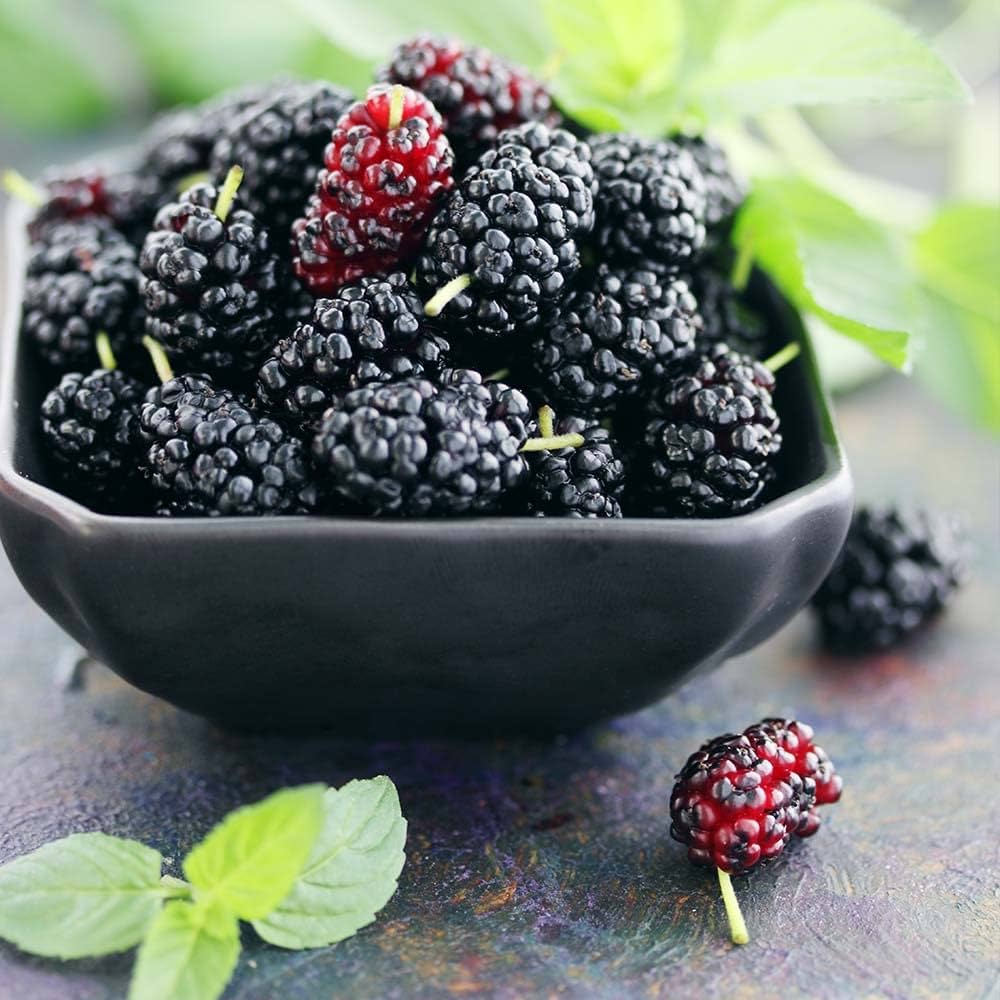
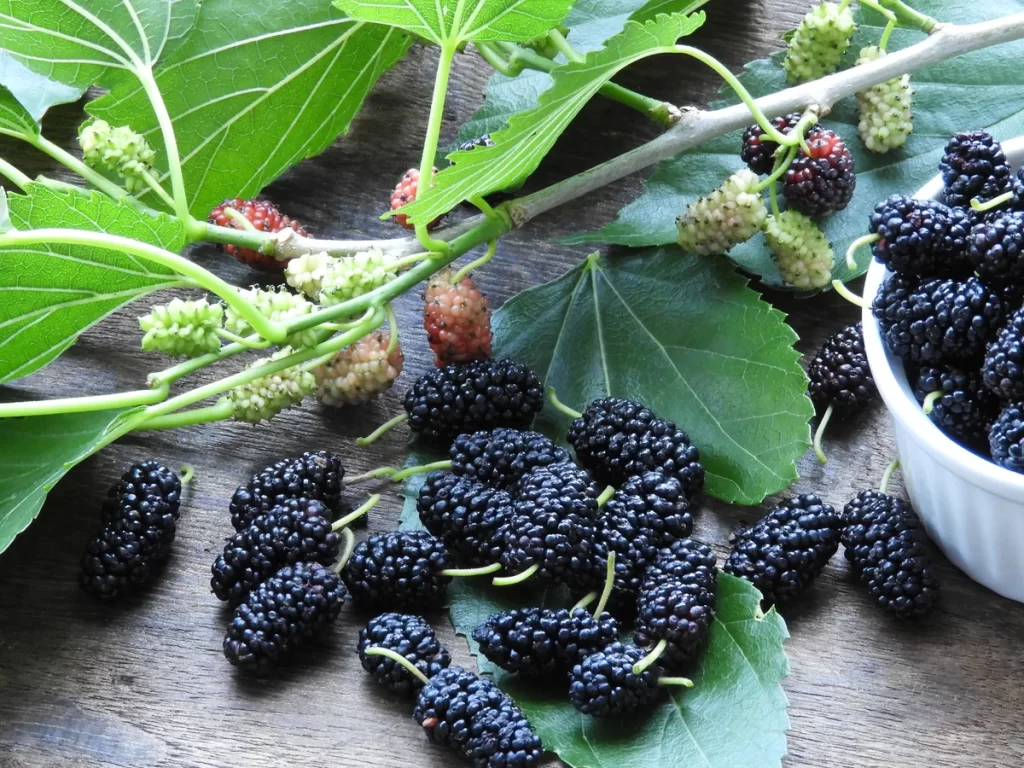
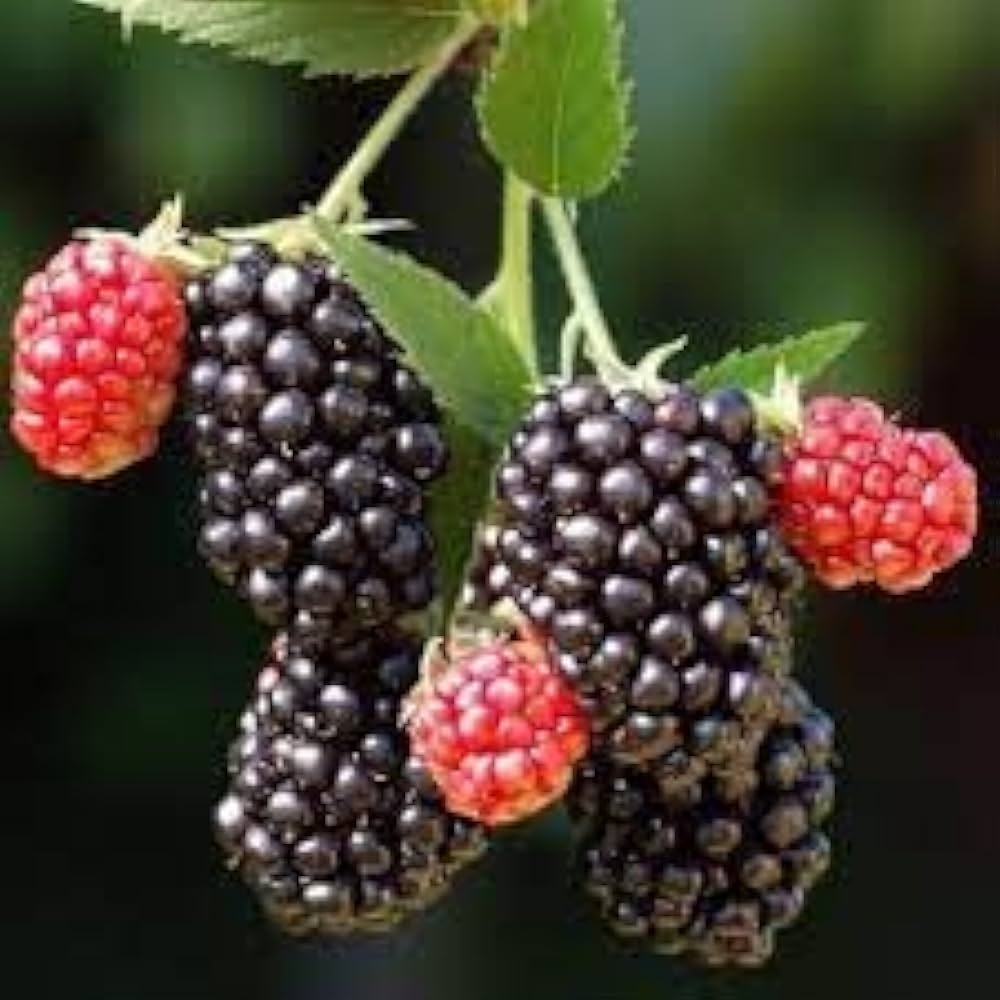
Mulberry is a small, sweet, and juicy fruit that belongs to the Morus genus in the family Moraceae. The fruit resembles a blackberry and grows on deciduous trees, which are commonly found in Asia, Africa, Europe, and North America. Mulberries vary in color — black, red, or white — depending on the species and stage of ripeness.

The fruit is soft, with a sweet to mildly tart flavor, and is packed with nutrients including vitamin C, vitamin K, iron, calcium, potassium, and antioxidants like anthocyanins and resveratrol.

Mulberries are consumed fresh, dried, or processed into juices, jams, syrups, wines, and baked goods. The leaves of the mulberry tree are also well-known as the primary food source for silkworms, making the plant economically important.

Enquire Now
Product Name
Mulberry
Botanical Name
Morus alba (White), Morus nigra (Black), Morus rubra (Red)
Family
Moraceae
Shape & Size
Small, cylindrical to oval; 2–5 cm long
Color
White, red, purple, or black (depending on variety and ripeness)
Texture
Soft, juicy, delicate skin with multiple tiny drupelets
Taste
Sweet to sweet-tart, rich berry-like flavor
Grades
Fresh – Class I / Class II; Dried – Premium / Standard
Size Calibration
Small (2–3 cm), Medium (3–4 cm), Large (4–5 cm)
Storage Temperature
Fresh: 0–4°C; Dried: Cool, dry conditions
Shelf Life
Fresh: 2–3 days at room temp / 1 week refrigerated; Dried: 6–12 months
1. White Mulberry (Morus alba)
Native to China, pale white to light purple fruit.
Mildly sweet flavor, commonly dried or used in teas and herbal medicine.
2. Black Mulberry (Morus nigra)
Native to Western Asia, dark purple to almost black fruit.
Rich, sweet-tart flavor; considered the most flavorful variety.
3. Red Mulberry (Morus rubra)
Native to North America, deep red to purple fruit.
Juicy, slightly tart, used fresh and in preserves.
4. Hybrid Varieties
Cross-bred species for higher yield, disease resistance, and sweeter taste.
Widely cultivated for commercial production.
Fresh Consumption
Eaten raw as a seasonal fruit.
Dried Fruit
Consumed as a healthy snack or added to cereals, muesli, and trail mixes.
Juices & Smoothies
Blended for refreshing drinks and detox smoothies.
Jams, Jellies & Syrups
Processed into spreads and sweeteners.
Baking & Desserts
Used in cakes, pies, muffins, ice creams, and puddings.
Wine & Beverages
Fermented into wines, liqueurs, and flavored drinks.
Medicinal Use
Used in traditional remedies for blood health, digestion, and immunity.
Herbal Teas
Leaves and dried mulberries brewed for health teas.
Culinary Sauces
Made into sauces for meats and desserts.
Cosmetic Products
Extracts used in skin-brightening and anti-aging formulations.
1. Rich in Antioxidants
2. Boosts Immunity
3. Supports Heart Health
4. Improves Digestion
5. Controls Blood Sugar
6. Supports Brain Health
7. Strengthens Bones
8. Promotes Healthy Skin
9. Enhances Blood Health
10. Supports Weight Management