

Fresh Fruits

Kiwi

Kiwi

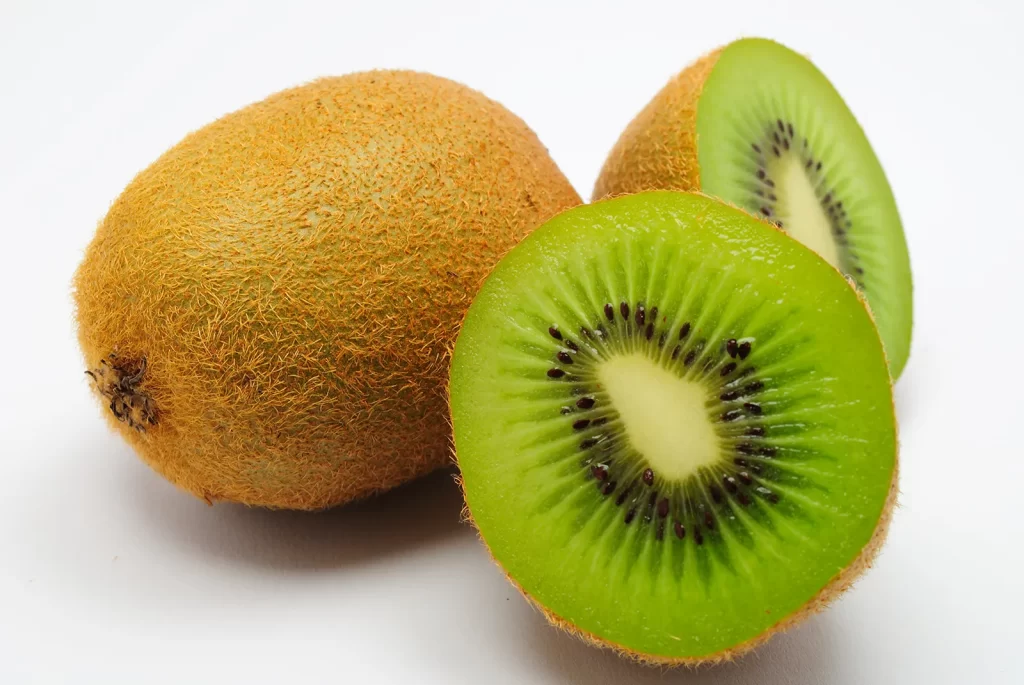
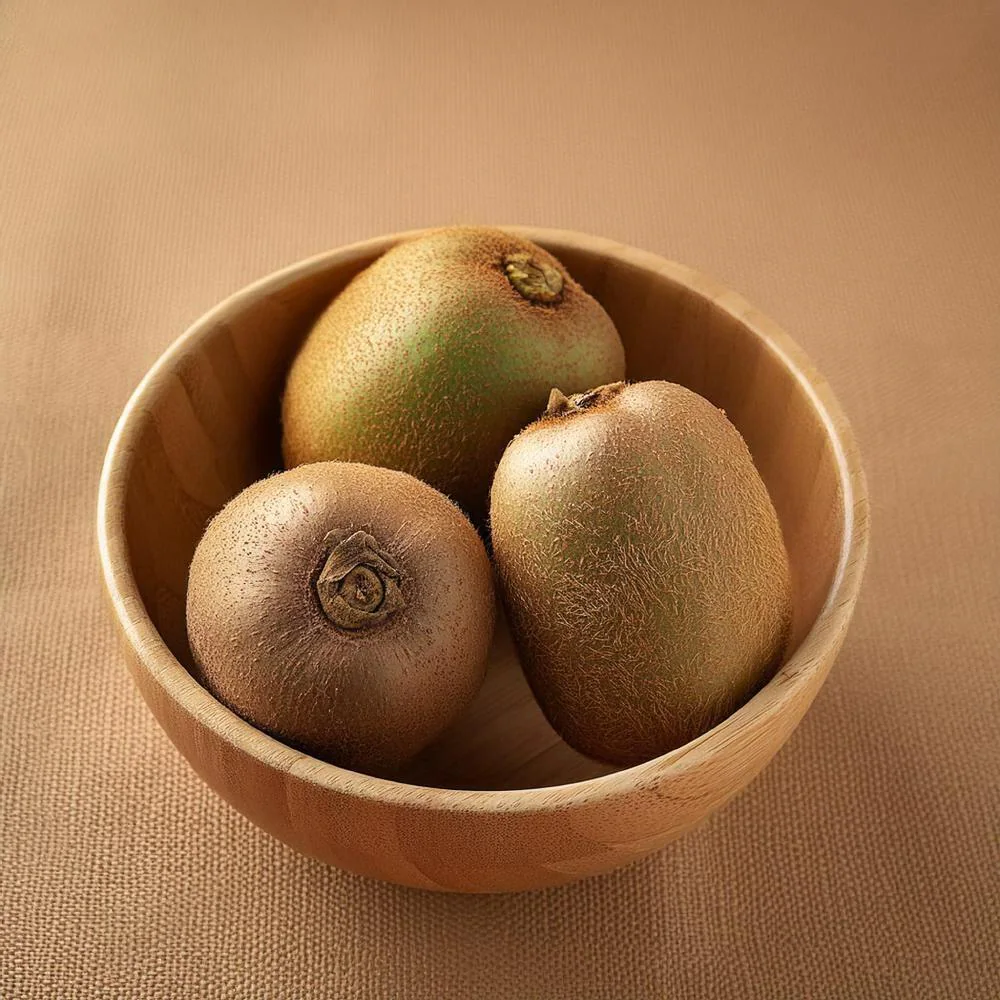
Kiwi, also known as Kiwi fruit or Chinese gooseberry, is a small, oval-shaped fruit native to China but now widely cultivated in countries like New Zealand, Italy, Chile, and India. It belongs to the genus Actinidia. The fruit has a thin, fuzzy brown skin and vibrant green or golden-yellow flesh with tiny black edible seeds arranged in a circular pattern.

The taste is sweet-tart, refreshing, and tangy, often described as a mix of strawberry, banana, and melon flavors. Kiwi is highly nutritious, packed with vitamin C, vitamin K, dietary fiber, antioxidants, and potassium.

It is consumed fresh, in juices, fruit salads, smoothies, desserts, and also used as a garnish due to its bright color and appealing texture. Kiwi is considered a superfruit because of its high nutrient density and health benefits.

Enquire Now
Product Name
Kiwi / Kiwi Fruit / Chinese Gooseberry
Botanical Name
Actinidia deliciosa (Green Kiwi), Actinidia chinensis (Golden Kiwi)
Family
Actinidiaceae
Shape & Size
Oval, egg-shaped; 5–8 cm length, 70–120 g per fruit
Skin Color
Brown, fuzzy (Green Kiwi); Smooth bronze (Golden Kiwi); Green (Hardy Kiwi)
Flesh
Bright green, golden yellow, or red-centered with tiny edible black seeds
Taste
Sweet-tart, refreshing, slightly tangy
Grades
Extra Class / Class I / Class II (based on export quality)
Size Calibration
Small (60–80 g), Medium (80–100 g), Large (100–120 g)
Storage Temperature
0–2°C with 90–95% relative humidity
Shelf Life
3–4 weeks in cold storage; 5–7 days at room temperature
1. Green Kiwi (Actinidia deliciosa)
Most common variety, brown fuzzy skin, bright green flesh with black seeds.
Sweet-tart flavor, widely consumed fresh or in juices.
2. Golden Kiwi (Actinidia chinensis)
Smooth, bronze skin with golden-yellow flesh.
Sweeter and less tangy than green kiwi.
3. Hardy Kiwi (Actinidia arguta)
Small, grape-sized, smooth edible skin.
Sweeter taste; can be eaten whole without peeling.
4. Red Kiwi (Actinidia melanandra or hybrids)
Green flesh with a red-colored center.
Rare variety with a sweeter, berry-like flavor.
5. Baby Kiwi (Kiwi Berry)
Miniature, smooth-skinned kiwis.
Bite-sized, eaten whole, popular for snacking.
Fresh Consumption
Eaten raw by cutting and scooping or eaten whole in case of kiwi berries.
Juices & Smoothies
Blended for refreshing drinks and detox smoothies.
Fruit Salads & Garnishing
Adds vibrant color and tangy taste to salads and desserts.
Desserts & Baked Goods
Used in cakes, tarts, ice creams, puddings, and jams.
Sauces & Dressings
Blended into sauces for meat, seafood, or salad dressings.
Jams & Preserves
Processed into spreads for long-term use.
Frozen Pulp & Concentrate
Used in beverages and dairy-based products.
Cosmetic Applications
Extracts used in skincare for hydration and anti-aging properties.
Medicinal & Nutraceutical Use
Consumed for its antioxidants and digestive benefits.
Food Industry
Natural tenderizer for meat due to the enzyme actinidin.
1. Rich in Vitamin C
2. Improves Digestion
3. Heart Health
4. Supports Weight Management
5. Enhances Skin Health
6. Aids Iron Absorption
7. Supports Eye Health
8. Regulates Blood Sugar
9. Boosts Immunity
10. Promotes Better Sleep