
Fresh Fruits

Apricots

Apricots

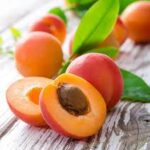
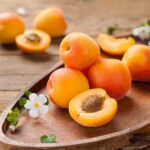
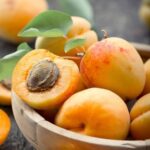
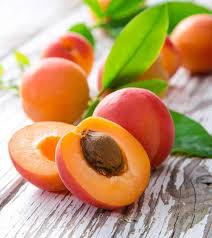
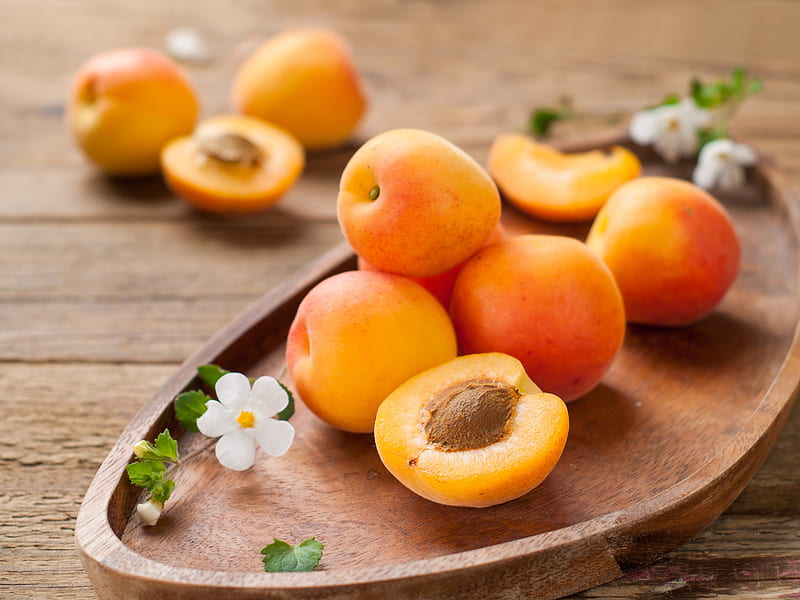
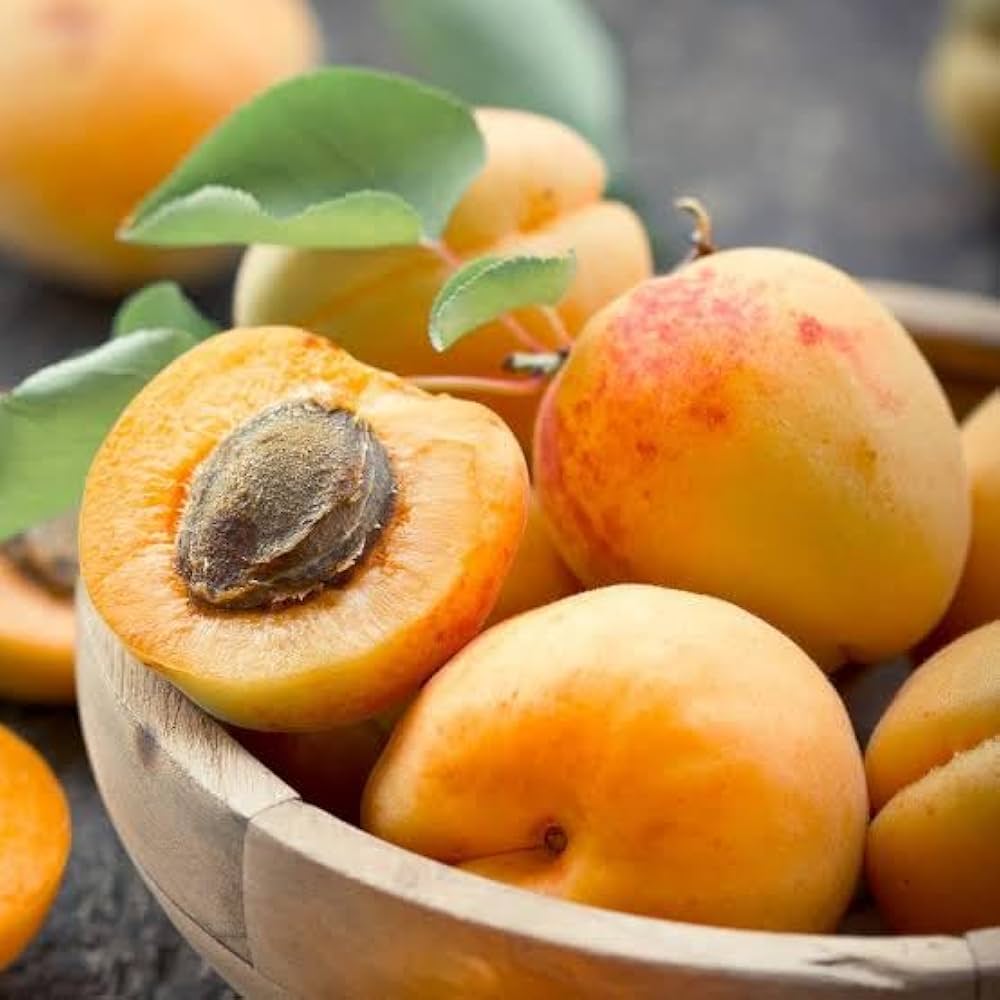
Apricot (Prunus armeniaca) is a small, round to oval stone fruit belonging to the Rosaceae family. It has a smooth, velvety skin that ranges from yellow to orange, often with a reddish blush on the side exposed to the sun. The flesh is juicy, golden-orange, with a sweet-tart flavor, and encloses a single hard seed (kernel). Apricots are highly nutritious, rich in vitamins A and C, potassium, and dietary fiber. They can be consumed fresh, dried, canned, or processed into jams, juices, and desserts. Apricots are also valued in traditional medicine and cosmetic industries for their oil and antioxidant properties.

Enquire Now
Product Name
Apricot
Botanical Name
Prunus armeniaca
Family
Rosaceae
Shape & Size
Round to oval; 3–6 cm diameter
Skin Color
Yellow to orange, often with reddish blush
Flesh
Golden-orange, juicy, sweet-tart flavor
Seed
Single hard stone (kernel inside)
Taste
Sweet to mildly tart, aromatic
Grades
Extra Class / Class I / Class II (as per export standards)
Size Calibration
Small (30–40 g), Medium (40–60 g), Large (60–80 g+ depending on variety)
Storage Temperature
0–2°C with 90–95% relative humidity
Shelf Life
1–3 weeks in cold storage; 3–5 days at room temperature
Moorpark
Large, juicy, sweet variety; popular for fresh eating and preserves.
Tilton
Heart-shaped fruit, tangy-sweet flavor; good for canning and drying.
Perfection
Medium-sized, orange-red blush; rich flavor, used fresh and for preserves.
Chinese (Mormon Apricot)
Cold-hardy, smaller fruits; sweet with mild flavor.
Goldrich
Firm texture, golden-orange skin, tangy taste; excellent for shipping and canning.
Blenheim (Royal)
Highly aromatic, juicy, classic California variety; good for drying and fresh use.
Katy
Early-season variety, large fruit, sweet-tart flavor.
Harogem
Cold-tolerant, medium size, reddish-orange skin; used fresh or processed.
Veecot
High-yielding variety, medium-sized fruits, suitable for drying.
Local / Wild Varieties
Smaller, more tart fruits often used in traditional dishes or drying.
Fresh Consumption
Eaten raw as a seasonal fruit snack.
Dried Apricots
Popular worldwide as a healthy dried fruit, rich in iron and fiber.
Jams & Preserves
Used in making jams, marmalades, and spreads.
Juices & Beverages
Processed into nectar, juices, smoothies, and flavored drinks.
Baking & Desserts
Used in cakes, pastries, pies, and puddings.
Culinary Uses
Added to savory dishes, sauces, chutneys, and salads.
Cosmetic Industry
Apricot kernel oil used in skincare and haircare products.
Medicinal Uses
Traditionally used for digestion, anemia, and skin health.
Baby Food
Used in purees and infant nutrition for natural sweetness.
Nutraceuticals
Powdered apricot and extracts used in supplements for antioxidants and vitamins.
1. Rich in Antioxidants
2. Supports Eye Health
3. Boosts Skin Health
4. Aids Digestion
5. Supports Heart Health
6. Strengthens Bones
7. Improves Hydration
8. May Help Prevent Anemia
9. Boosts Immunity
10. Weight-Friendly Snack