
Fresh Vegetables

Carrot

Carrot

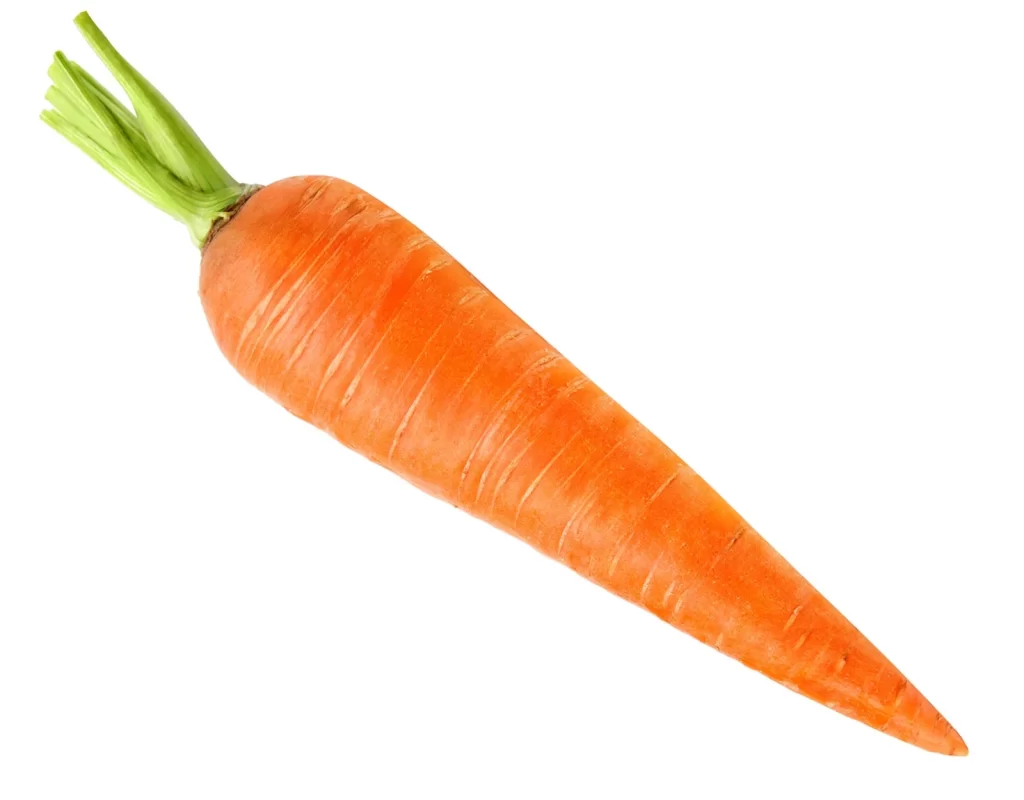
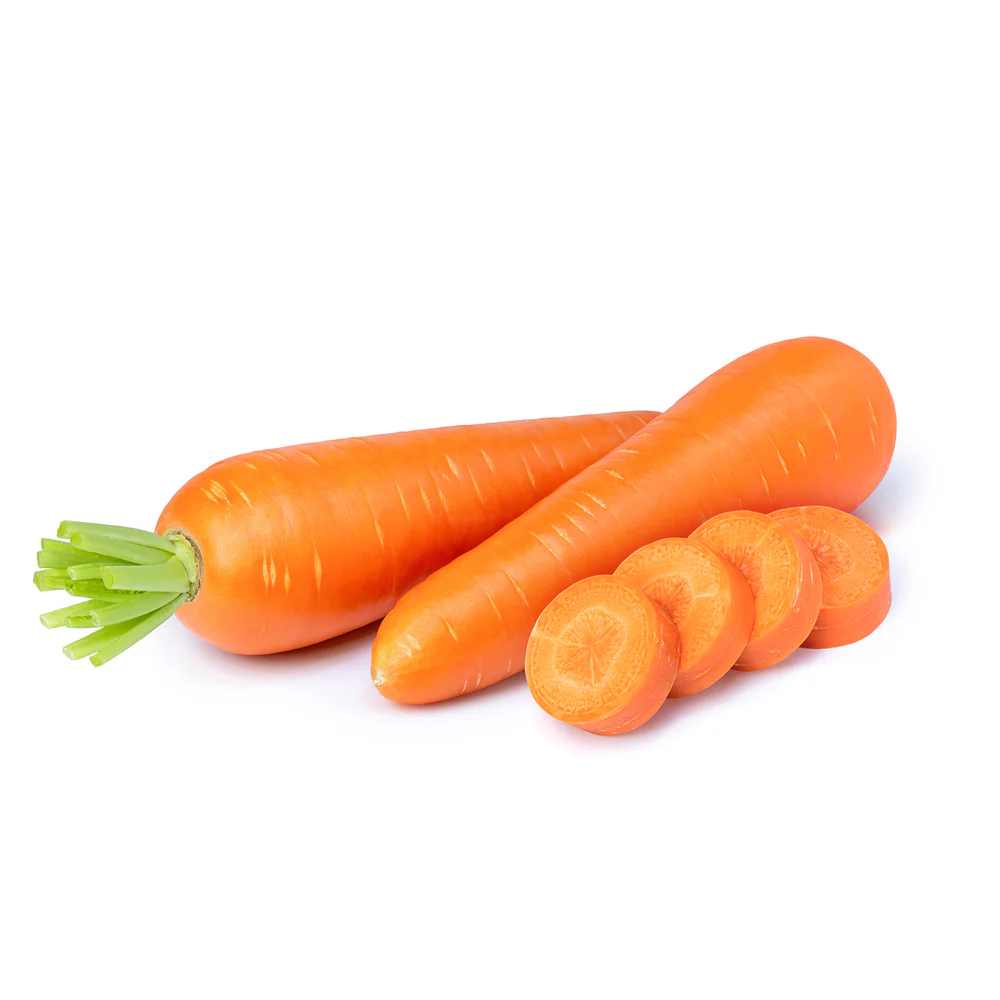
Carrot is a popular root vegetable belonging to the Apiaceae family. It is cultivated worldwide for its crisp texture, sweet flavor, and high nutritional value. The edible part is the taproot, which is typically orange, but can also be found in purple, yellow, red, and white varieties depending on the cultivar.

Carrots are consumed fresh, cooked, or processed into juice, pickles, dehydrated flakes, powders, and even baby foods. They are rich in beta-carotene (pro-vitamin A), fiber, antioxidants, and essential minerals, making them one of the most important health-promoting vegetables.

They thrive in cool to temperate climates and are widely cultivated in China, India, Russia, USA, and Europe. Carrots are used in global cuisines in salads, soups, curries, stews, bakery products, and beverages.

Due to their nutritional richness and versatility, carrots hold significance in both culinary and industrial applications, including the food processing and nutraceutical industries.

Enquire Now
Product Name
Carrot (Daucus carota)
Varieties
Orange, Red, Purple, Yellow, White, Baby Carrots
Shape
Conical to cylindrical taproot
Skin Color
Orange (common), also Red, Purple, Yellow, White
Flesh Color
Typically orange, but varies by variety
Size / Length
Small: 5–10 cm ; Medium: 10–20 cm ; Large: 20–30 cm+
Diameter
2 – 5 cm (varies by type and maturity)
Weight
50 g – 200 g per root (average commercial size)
Condition
Firm, smooth, clean, free from cuts, cracks, insect damage, sprouting, or decay
Moisture Content
Fresh: 85 – 90% ; Dehydrated: 6 – 8%
Shelf Life
Fresh: 1 – 2 weeks at ambient ; 1 – 2 months in cold storage (0–2°C, 90–95% RH) ; Dehydrated/Powder: up to 12 months
Nutritional Value
Energy: 41 kcal ; Carbohydrates: 10 g ; Protein: 0.9 g ; Fat: 0.2 g ; Fiber: 2.8 g ; Vitamin A (beta-carotene): 835 µg ; Vitamin C: 6 mg ; Potassium: 320 mg (per 100 g, approx.)
Packaging
Mesh bags, jute bags, carton boxes, poly packs, or vacuum packs (for processed forms)
Packing Sizes
5 kg, 10 kg, 20 kg, 25 kg, 50 kg (as per buyer requirement)
Labeling
Product name, variety, grade, net weight, country of origin, packing date, best before
Storage Temperature
Fresh: 0 – 2°C ; Dehydrated/Powder: cool, dry place
Relative Humidity
Fresh: 90 – 95%
Transportation
Fresh carrots transported in ventilated containers ; dehydrated/powder forms in moisture-proof packaging
Orange Carrots
Purple Carrots
Red Carrots
Yellow Carrots
Baby Carrots
Eaten raw in salads, juices, and smoothies.
Cooked in soups, curries, stews, stir-fries, and baked goods.
Processed into pickles, purees, jams, and carrot-based beverages.
Used in confectionery and bakery (e.g., carrot cake, puddings).
Food processing: Dehydrated flakes, powder, and concentrates for soups, sauces, and ready-to-eat meals.
Nutraceuticals & Supplements: Carrot extracts used in health products for Vitamin A and antioxidants.
Cosmetics: Carrot oil and extracts used in skin creams, serums, and hair products.
1. Rich Source of Vitamin A
2. Boosts Immunity
3. Promotes Healthy Skin
4. Supports Heart Health
5. Improves Digestion
6. Helps in Weight Management
7. Regulates Blood Sugar
8. Supports Oral Health
9. Cancer-Fighting Potential
10. Promotes Healthy Pregnancy