
Dry Fruits

Walnuts

Walnuts

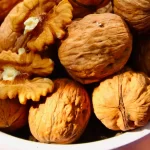
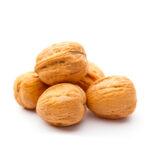
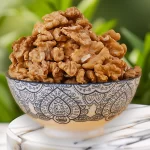
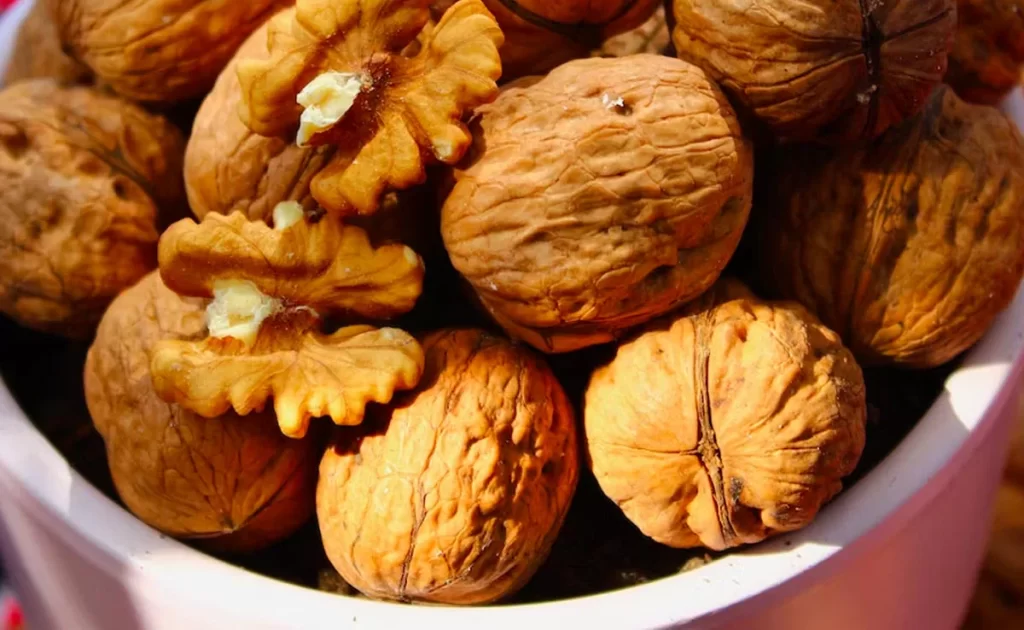
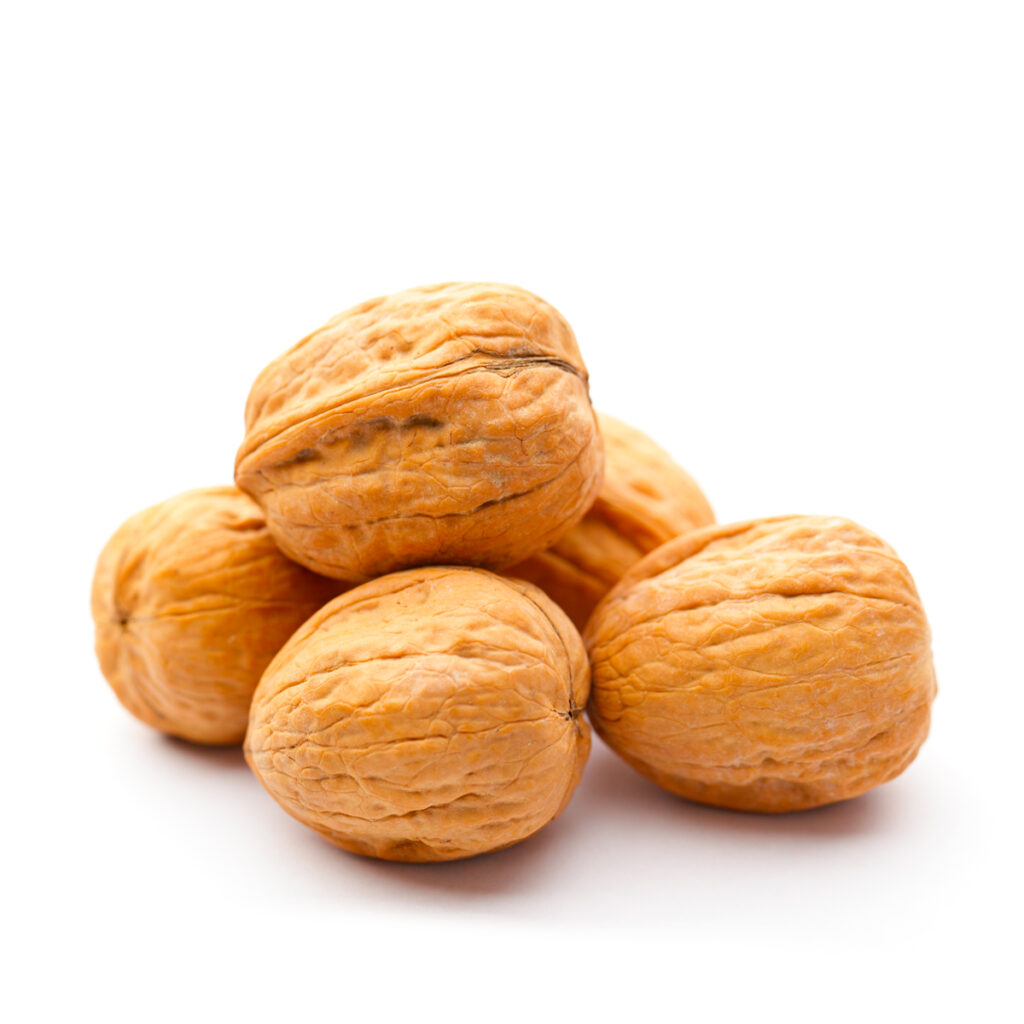
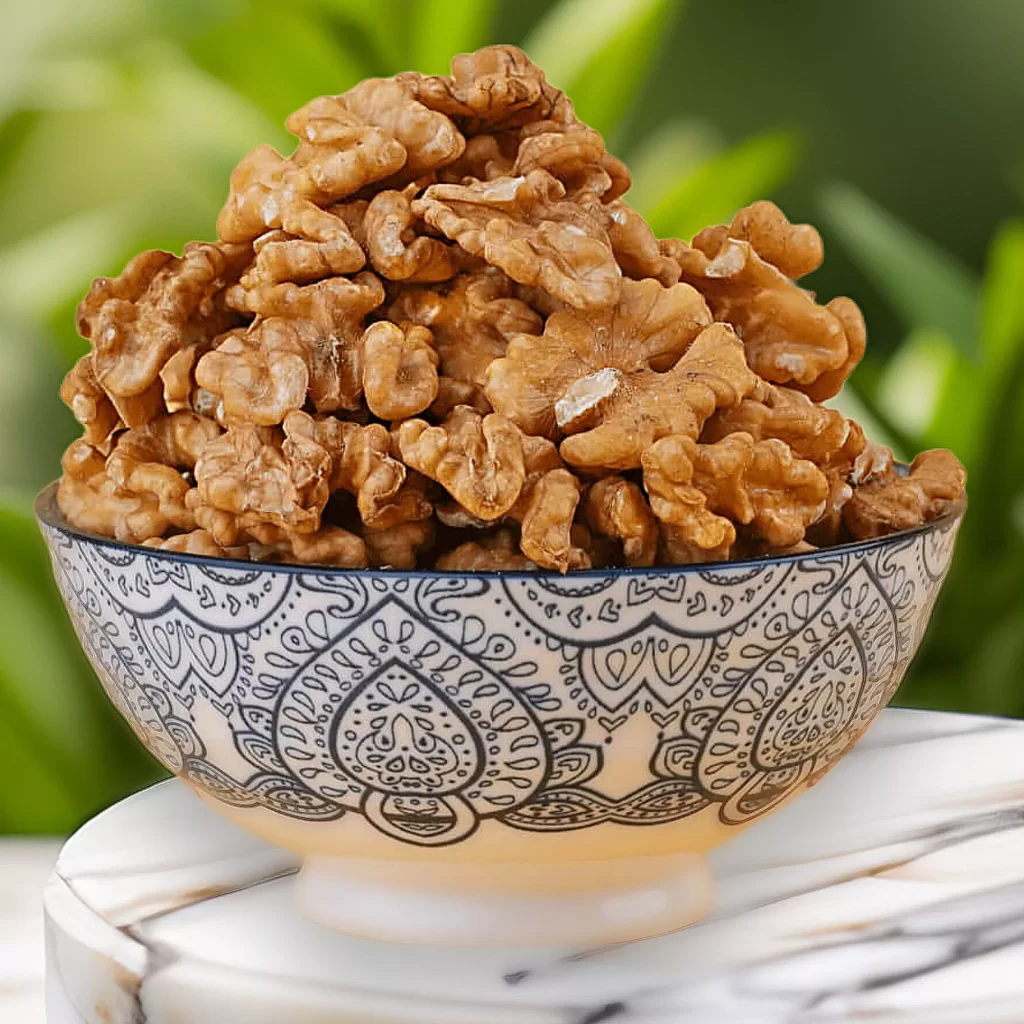
Walnuts are nutrient-rich edible seeds from the tree Juglans regia, also known as the Persian or English walnut. They have a hard, grooved shell encasing a two-lobed kernel with a distinctive brain-like appearance. Walnuts are prized for their mild, earthy flavor with a slightly bitter-sweet aftertaste, owing to their high oil content, particularly omega-3 fatty acids. They are consumed raw, roasted, or as an ingredient in both sweet and savory dishes. Rich in healthy fats, protein, vitamins, and minerals, walnuts are a popular choice in healthy diets and are cultivated in temperate regions worldwide, with major producers including the USA, China, and India.

Enquire Now
Product Name
Walnut Kernels / In-shell Walnuts
Varieties
English (Persian), Chandler, Hartley, Black Walnut, Red Walnut
Form
In-shell, Halves, Quarters, Pieces
Moisture Content
Max. 5–8%
Purity
98% min.
Shell Hardness
Medium to Hard (for in-shell)
Color
Light, Extra Light, Amber
Kernel Size
Jumbo, Large, Medium, Small
Broken Kernels
Max. 5%
Foreign Matter
Max. 0.5%
Packaging
10 kg / 20 kg vacuum packs, poly bags, or cartons
Storage
Cool, dry place away from sunlight
Shelf Life
12 months under proper storage conditions
Uses
Direct consumption, confectionery, bakery, oil extraction, health supplements
1. Raw Walnuts (Halves & Pieces)
2. Roasted Walnuts (Salted/Unsalted)
1. Eaten raw as a healthy snack.
2. Added to salads, desserts, and baked goods for crunch and flavor.
3. Used in walnut butter, pesto, and sauces.
4. Blended into smoothies for extra nutrition.
5. Walnut oil for cooking and salad dressings.
6. Walnut flour for gluten-free baking.
7. Walnut milk as a dairy alternative.
8. Used in dietary supplements for heart and brain health.
9. Walnut oil in skincare for moisturizing and anti-aging benefits.
1. Heart Health
2. Brain Function
3. Anti-Inflammatory Properties
4. Weight Management
5. Blood Sugar Control
6. Bone Health
7. Skin & Hair Health